Some plant- or mushroom-derived ingredients have preliminary or condition-specific veterinary research, but "natural" does not mean proven, standardized, or interaction-free. Use a supplement only after the veterinarian identifies the problem, reviews the exact label, and confirms that it will not interfere with treatment.
For readers who already understand the safety framework and want to compare the two supplied formulas, learn more about healing herbs and where to find them. The product section explains ingredients, best fit, limits, and current pictures without pretending a chew or scoop is a recovery plan by itself.
This guide was inspired by a popular iHeartDogs article about healing herbs, then checked against veterinary references and peer-reviewed studies. The useful idea is to ask what each ingredient might do. The important upgrade is also asking: in which dogs, at what extract and dose, measured against what outcome, and with which medications?
The recovery foundation comes before the herb shelf
Get a diagnosis and treatment plan
Weakness, poor appetite, limping, weight loss, diarrhea, and slow healing have many causes. Supplements can delay needed imaging, antibiotics, surgery, endocrine treatment, or pain control when they are used as a diagnostic substitute.
Meet calorie and protein needs
Feed a complete diet appropriate for the disease and life stage unless a veterinary nutritionist directs otherwise. Recovery can change energy and protein needs, while kidney, liver, pancreatic, urinary, and gastrointestinal disease can change what is safe.
Protect hydration
Fresh water and veterinarian-approved moist food or broth may help intake. Vomiting, diarrhea, fever, kidney disease, and diabetes can make dehydration an urgent medical problem rather than a flavor problem.
Control pain and protect the injury
Use prescribed medication, wound care, activity restriction, and rehabilitation. Do not replace an analgesic or antibiotic with an herb because the package uses calmer colors.
Change one variable at a time
If a supplement is approved, start only that new product, keep a log, and use an agreed trial period. Multiple new powders make benefit, side effects, and interactions impossible to untangle.
How to read the evidence without falling for the ingredient parade
| Evidence level | What it means | Examples relevant here |
|---|---|---|
| Useful veterinary evidence | Controlled studies in dogs show a measurable outcome, though product and dose still matter. | Some green-lipped mussel preparations have shown mobility or pain-score improvements in canine osteoarthritis. |
| Promising but mixed | Small trials, combination products, lab markers, or inconsistent results make conclusions limited. | Curcumin/turmeric, boswellia, and multi-ingredient joint blends. |
| Condition-specific early research | A particular extract may be studied in a narrow disease; that cannot be generalized to every blend or "immune support." | Selected medicinal mushroom extracts in oncology research. |
| Nutrition or palatability role | May help a dog consume food or fluid but is not disease treatment. | Plain dog-safe bone broth used as a measured topper. |
| Marketing or anecdote | Customer experience can suggest questions but cannot establish cause, safety, or effectiveness. | Reviews, before-and-after stories, and package timelines. |
A 2022 systematic review and meta-analysis of canine osteoarthritis nutraceuticals found stronger evidence for omega-3-enriched diets than for glucosamine-chondroitin products, which did not show a meaningful analgesic effect in that analysis. That does not prove every combination product is useless; it does mean the front label should not outrank the total evidence.
Ingredient-by-ingredient questions to ask
Turmeric and curcumin
Curcumin is a turmeric component studied for inflammatory pathways. Canine studies use specific formulations because ordinary curcumin is poorly absorbed. Results cannot be transferred automatically to kitchen turmeric or a multi-ingredient chew. Watch for gastrointestinal upset and discuss bleeding, gallbladder, diabetes, and medication concerns.
Green-lipped mussel
Some canine osteoarthritis trials report improvement with particular green-lipped mussel preparations. The ingredient is shellfish-derived, amounts vary, and it is not an emergency pain reliever. Ask about allergy risk, product testing, dose, and how improvement will be measured.
Glucosamine, chondroitin, MSM, and boswellia
These commonly travel as a group, making it hard to know which ingredient caused an effect or side effect. Evidence for glucosamine and chondroitin in dogs is mixed and weaker than advertising often implies. Boswellia and MSM have less robust canine evidence than established pain treatments. They may be considered adjuncts, not replacements.
Devil's claw
Devil's claw is marketed for joint discomfort, but veterinary evidence and standardized dosing are limited. It may cause gastrointestinal effects and may interact with anticoagulants, diabetes drugs, heart medicines, or stomach conditions. A product containing it deserves a medication review.
Hemp powder
Hemp seed or hemp powder is not the same as a standardized cannabinoid product. The word "hemp" alone does not tell you CBD content, THC testing, fatty-acid contribution, or clinical effect. Ask for a certificate of analysis and do not assume it treats pain.
Medicinal mushrooms and turkey tail
Turkey tail, reishi, shiitake, maitake, chaga, and cordyceps contain different compounds and are not interchangeable. Early studies of selected extracts in specific diseases do not prove that every powder boosts immunity, treats cancer, detoxifies a dog, or improves mobility. VCA advises using medicinal mushrooms under veterinary guidance because quality, response, and interactions vary.
Milk thistle
Silymarin from milk thistle has been investigated for liver support, but absorption and evidence vary by preparation and condition. Liver disease needs diagnosis and monitoring; a supplement cannot tell you why liver enzymes are elevated.
Bone broth
A dog-safe broth can improve flavor and fluid intake. Check calories, fat, sodium, protein, phosphorus, and every seasoning. Human broth commonly contains onion or garlic, which are unsafe for dogs. Powdered blends may add mushrooms, collagen, or flavorings, so the full label matters.
Natural products that deserve a firm no or a professional check
- Aloe plant material: ASPCA lists aloe as toxic to dogs and cats when ingested.
- Garlic, onion, chives, and leeks: Allium ingredients can damage red blood cells; do not use seasoned human broth.
- Comfrey: Can contain liver-toxic pyrrolizidine alkaloids.
- Concentrated essential oils: Tea tree, pennyroyal, wintergreen, and other oils can poison pets through ingestion, skin, or inhalation.
- Unknown mushroom powders: Species identity, extraction, contaminants, and active concentration need verification.
- Anything promising to cure, detox, replace medication, or work for every dog: The confidence is not evidence.
Vomiting, diarrhea, black stool, bruising, facial swelling, hives, weakness, tremors, seizure, yellow gums or eyes, unusual thirst or urination, appetite loss, or behavior change after a supplement needs prompt advice. Trouble breathing, collapse, severe bleeding, or seizure is an emergency.
Where to find healing-herb blends, with the claims kept in context
These two formulas combine several ingredients discussed above. That can be convenient, but it also makes response and interactions harder to isolate. The product label tells you what is included; the veterinarian decides whether those ingredients fit the diagnosis, prescriptions, diet, and monitoring plan.
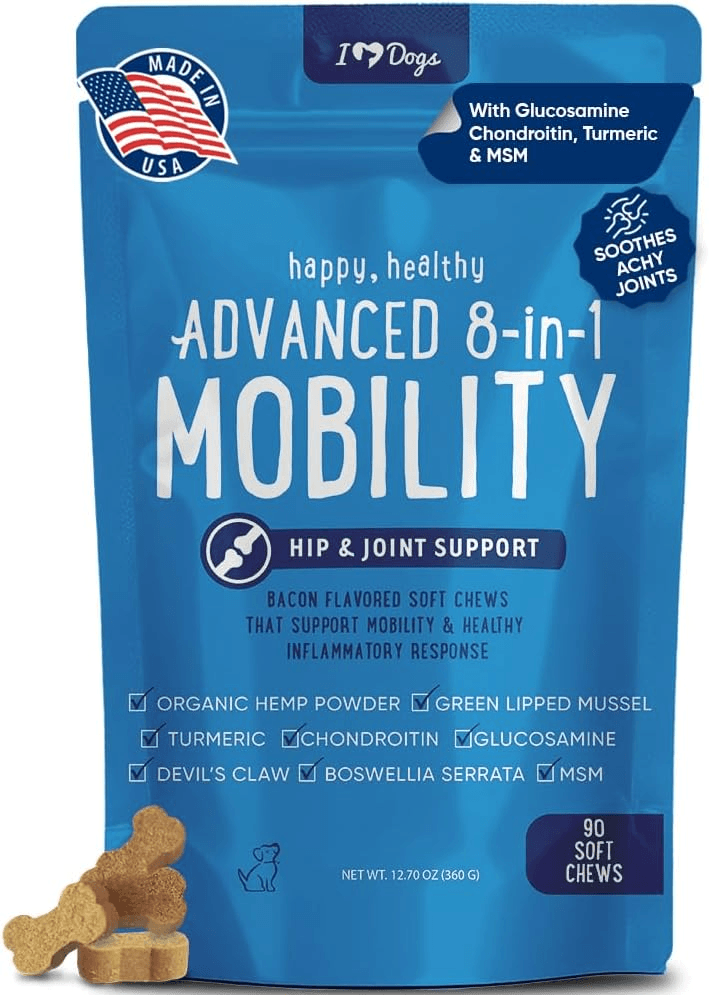
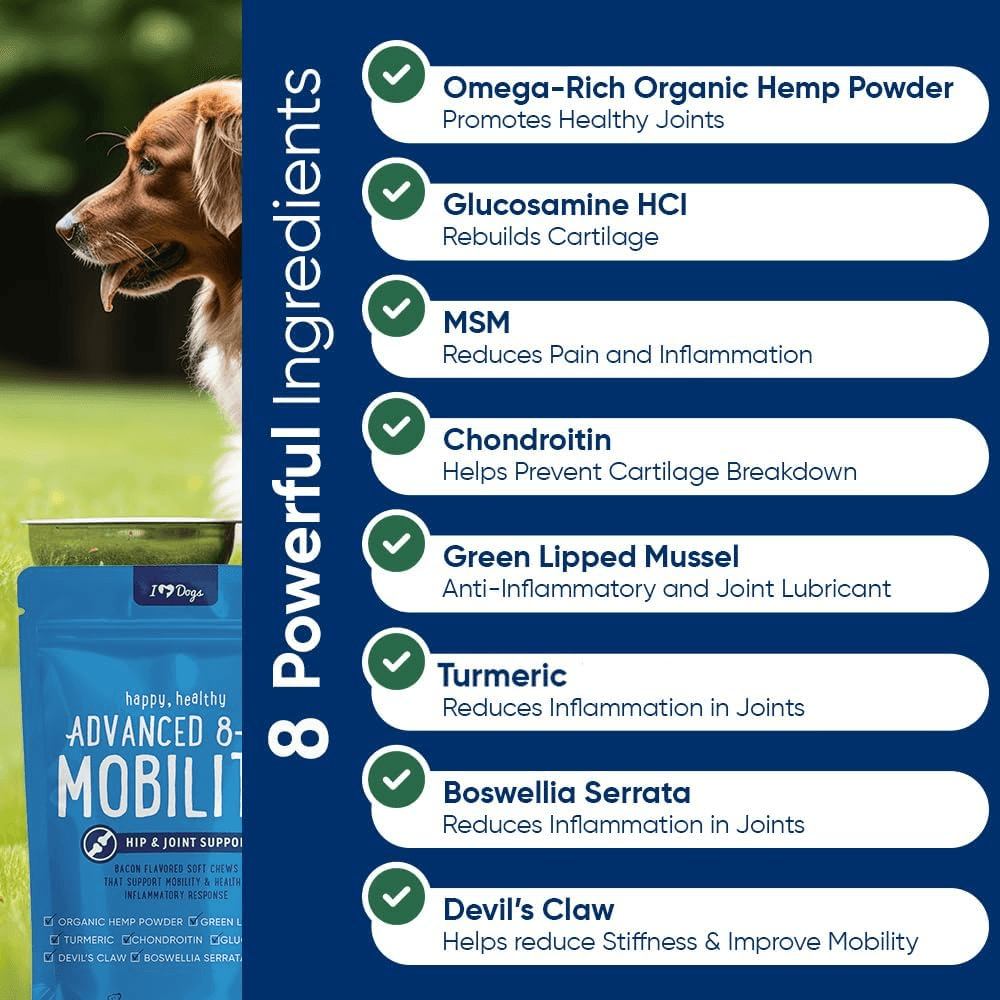
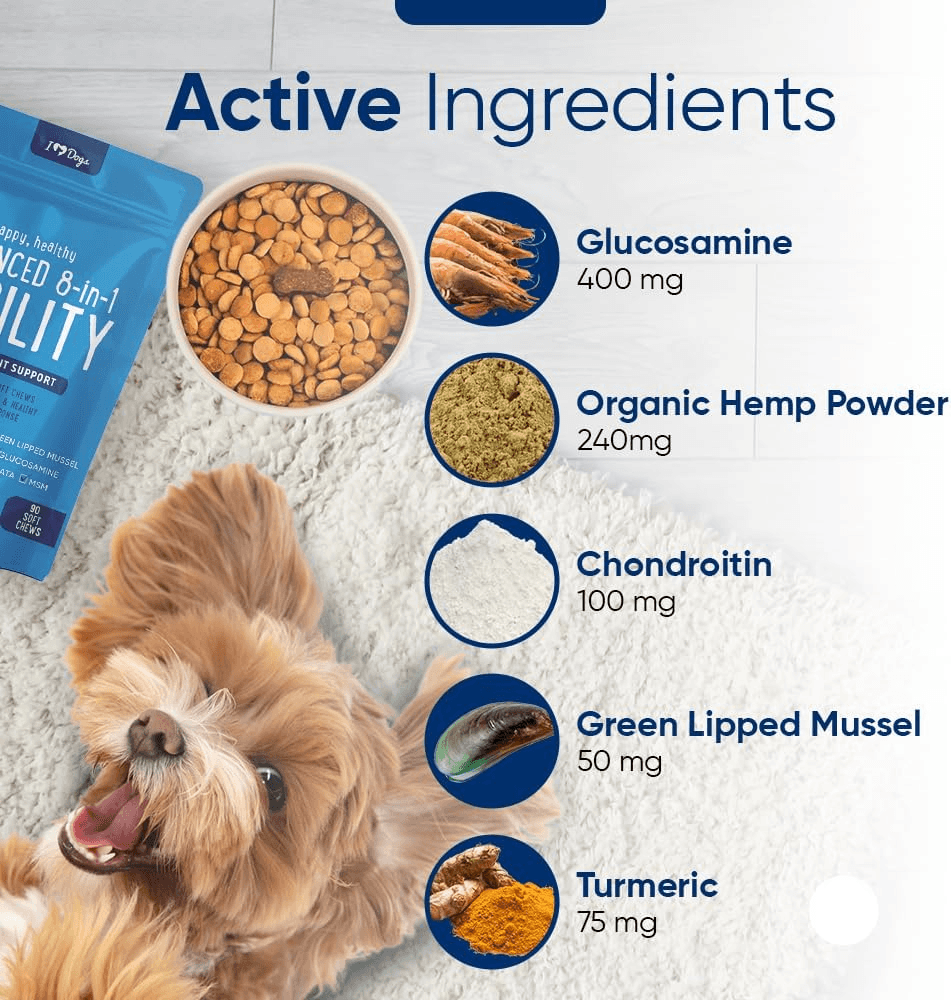
iHeartDogs Advanced 8-in-1 Hip & Joint Supplement Chews for Dogs
A soft chew combining glucosamine, chondroitin, MSM, turmeric, green-lipped mussel, boswellia, hemp powder, devil's claw, and other ingredients. It is positioned as ongoing mobility support rather than immediate pain treatment.
Best for: A veterinarian-approved supplement trial in a dog with a diagnosed chronic mobility problem, alongside weight management, appropriate exercise, and proven treatment.
Watch for: Shellfish and avian sources, a long interaction list, gastrointestinal effects, and the difficulty of identifying which ingredient helped or caused a reaction.
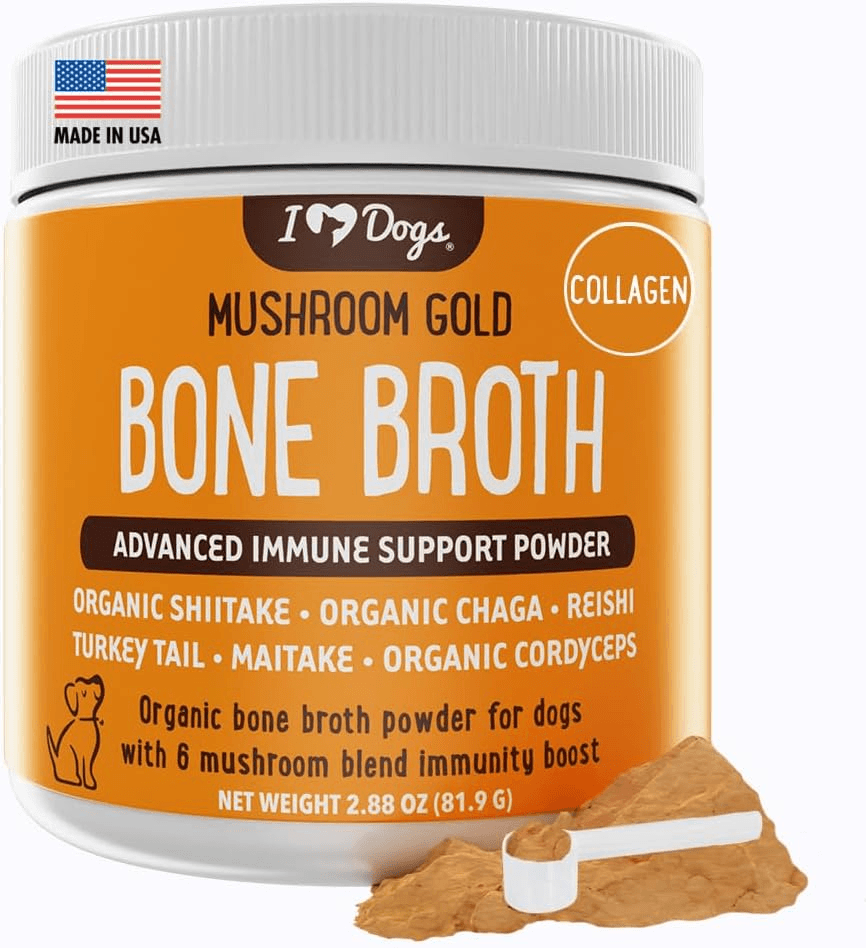
iHeartDogs Bone Broth & Turkey Tail Mushroom Powder Supplement for Dogs
A powdered bone-broth topper with turkey tail and other mushroom ingredients. It may add flavor and fluid when mixed as directed, while mushroom-related health claims remain product- and condition-specific.
Best for: A dog whose veterinarian approves the full ingredient panel and calories, especially when a palatable measured topper helps maintain food or water intake.
Watch for: Do not use it to treat cancer, infection, immune disease, dehydration, or mobility loss. Review sodium, calories, allergies, mushroom interactions, and changes in appetite or stool.
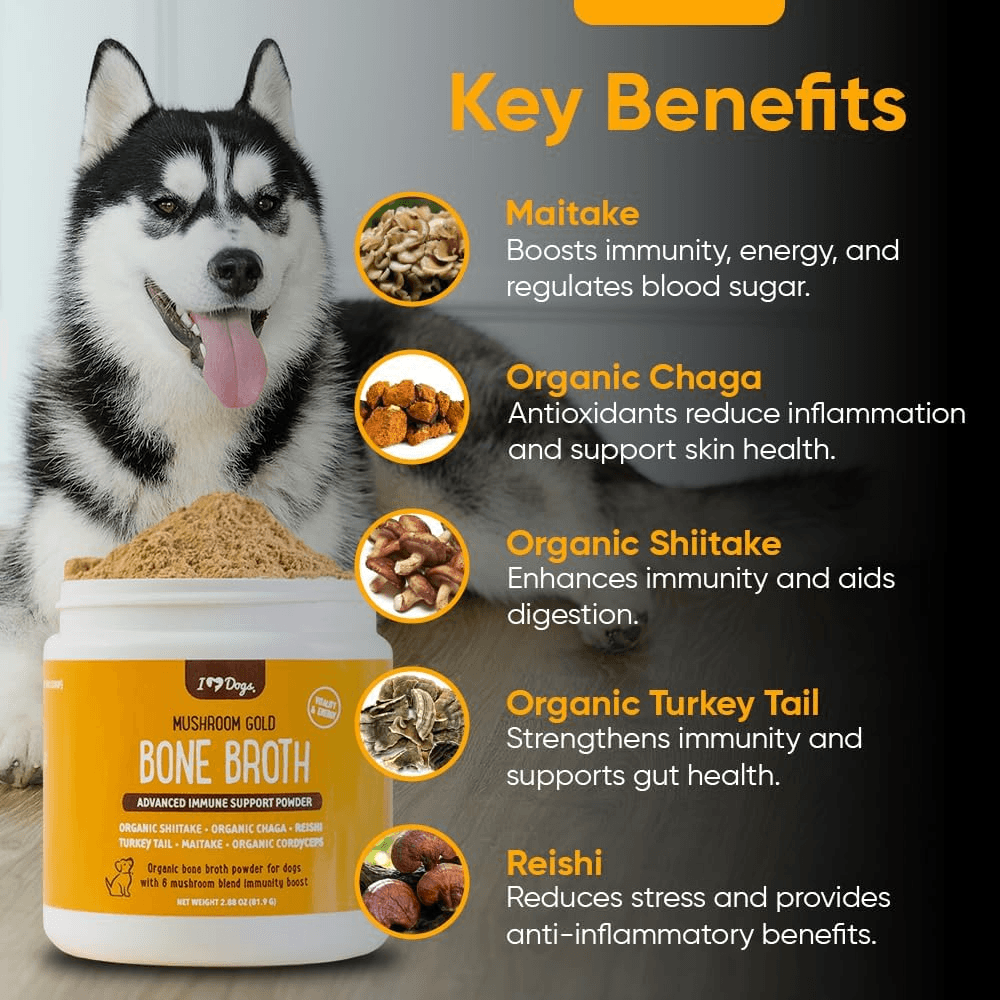
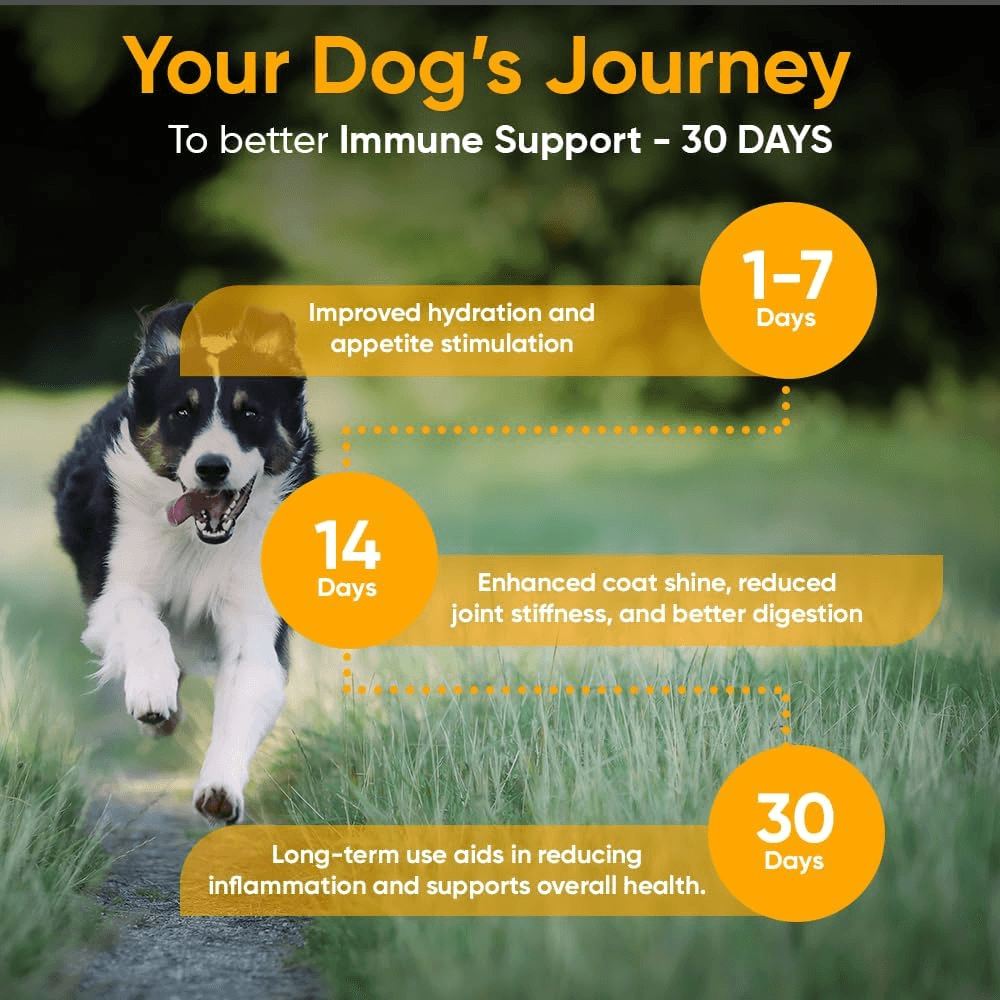
Product photographs and claim graphics were supplied for this guide and reflect manufacturer or retailer materials. Phrases on an image are not independent clinical evidence, and individual results can differ.
What actual customers said, and what reviews cannot tell us
On a retailer-hosted review page, Wanda S. wrote that her dogs "love them and have much improved mobility" after using the joint chews. On Trustpilot, Debra Lancia described giving the mushroom bone-broth product "every day in his food" to her 17-year-old dog.
Those are genuine published customer statements, not clinical trials. We cannot verify the dogs' diagnoses, medications, other care, dose, or whether the products caused any change. Reviews are useful for questions such as taste, mixability, packaging, and owner experience; they cannot establish treatment effectiveness or safety for your dog.
Take this checklist to the veterinarian
- What diagnosis or recovery goal are we trying to support?
- Is there evidence for this exact ingredient and formulation in dogs with that condition?
- Does the complete label conflict with prescriptions, anesthesia, bleeding risk, diabetes, kidney/liver disease, allergies, pregnancy, or the therapeutic diet?
- Is the manufacturer transparent about lot testing, contaminants, species identification, and active amounts?
- What dose and trial length are appropriate, and what outcome will we measure?
- Which side effects mean stop, call, or seek emergency care?
- Could the supplement make the food nutritionally incomplete or add too many calories?
Sources and further reading
We use veterinary, public-health, animal-welfare, and official record sources whenever possible. Sources were checked July 26, 2026.
- iHeartDogs: Healing Herbs That Help Dogs Recover From Illness and Injury
- FDA: Animal Foods and Feeds
- Systematic review and meta-analysis of nutraceuticals for canine osteoarthritis
- Randomized trial of green-lipped mussel in canine osteoarthritis
- Clinical trial of green-lipped mussel and curcumin in dogs
- Randomized controlled curcumin trial in dogs with osteoarthritis
- VCA Animal Hospitals: Medicinal Mushrooms
- VCA Animal Hospitals: Milk Thistle or Silymarin
- ASPCA: Aloe toxicity
- Cannanine: Advanced 8-in-1 product details and customer reviews
- Trustpilot: iHeartDogs customer reviews
Quick answers
What herbs help a dog recover after surgery?
No herb is a universal post-surgical treatment. The surgeon should approve every supplement because herbs can affect bleeding, sedation, blood sugar, stomach tolerance, and prescribed drugs. Nutrition, pain control, wound care, rest, and rehabilitation come first.
Is turmeric safe for dogs?
Turmeric or curcumin may be tolerated in some veterinary products, but evidence and absorption vary. It can cause stomach upset and may interact with anticoagulants, antiplatelet drugs, diabetes treatment, or gallbladder conditions. Ask the veterinarian first.
Are medicinal mushrooms proven to boost a dog's immune system?
That claim is broader than the evidence. Specific mushroom extracts are being studied for particular outcomes, but products, doses, and diseases differ. A blend should not replace diagnosis, cancer treatment, antibiotics, vaccines, or balanced nutrition.
Can I give my dog human herbal capsules?
Do not assume a human capsule is suitable. Concentration, extract, inactive ingredients, contamination risk, and dose may differ, and some products contain ingredients unsafe for dogs.
Does bone broth heal joints?
Bone broth can add flavor and fluid when the ingredients and sodium level are appropriate, but it is not proven to rebuild a joint or treat an injury. Count its calories and confirm it contains no onion, garlic, or unsafe seasoning.