Schedule a veterinary exam for new house-soiling, clean every marked site with a compatible urine/enzyme cleaner, provide enough large clean litter boxes in separate safe locations, reduce conflict and outdoor-cat triggers, neuter or spay when appropriate, reward calm litter-box use, and never punish. Products can help with residue or revisiting, but they cannot fix bladder pain or a cat blocking access to the box.
If your cat has turned the sofa into a strongly worded memo, the urine is the message, not the whole problem. Successful treatment combines health care, environmental cleanup, litter-box design, and behavior change.
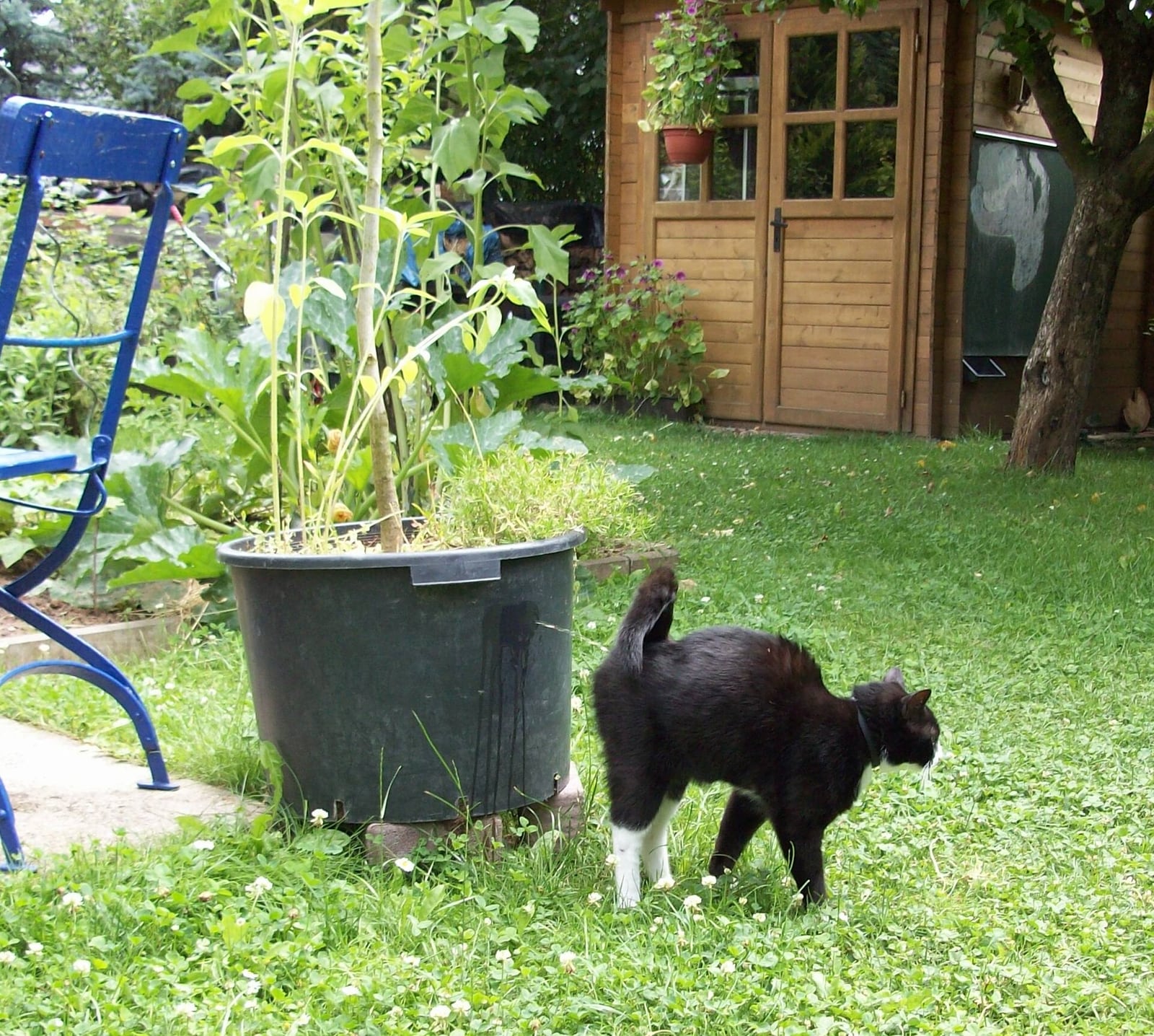
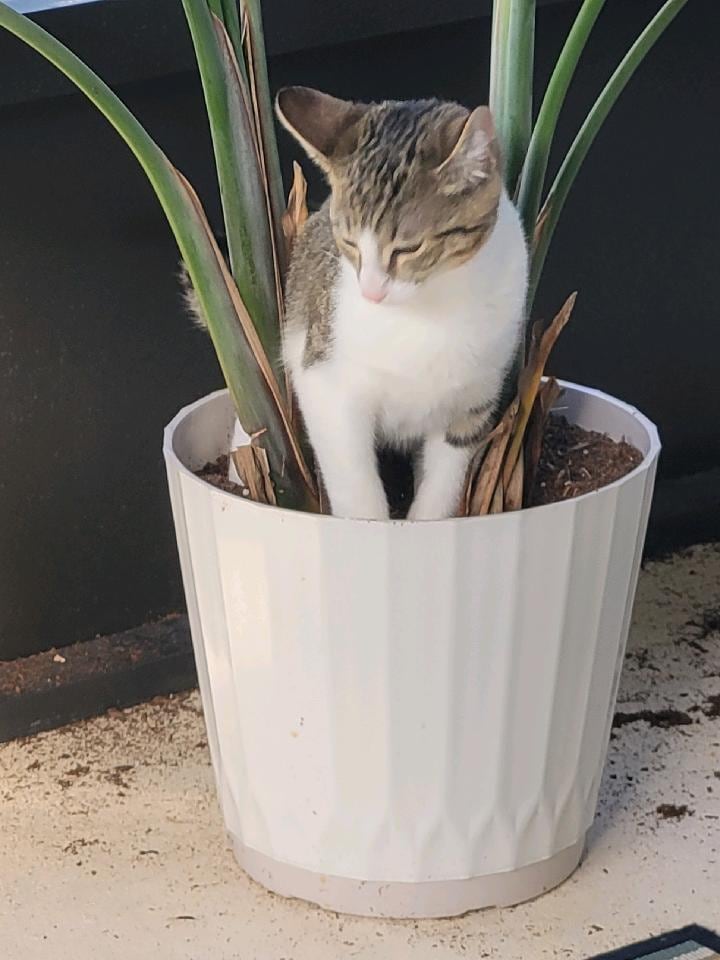
Spraying versus peeing outside the litter box
| Clue | Urine spraying / marking | Full urination outside the box |
|---|---|---|
| Posture | Usually standing, rear toward target, tail raised and sometimes quivering | Usually squatting |
| Surface | Often vertical: wall, curtain, chair leg, door | Often horizontal: rug, bed, laundry, tub, floor |
| Amount | Usually small | Usually a bladder-sized puddle |
| Common drivers | Territory, conflict, outdoor cats, mating, change, stress | Urinary or other medical disease, pain, box/litter/location aversion, access problem |
| Can an intact cat do it? | Yes, especially intact males, but neutered cats of any sex can spray | Yes |
These categories overlap. A cat with urinary discomfort may mark, and a stressed cat can squat on a bed. Show your veterinarian a video of posture if possible and map every location, amount, and time.
Rule out a urinary emergency first
repeatedly enters the box or strains but produces little or no urine, cries while trying, licks the genitals constantly, vomits, hides, becomes weak, has a painful/swollen abdomen, or collapses. Urinary obstruction is especially common and life-threatening in male cats. Do not wait overnight to see whether a cleaner changes the situation.
Even without emergency signs, new peeing or spraying deserves a veterinary exam and often urinalysis. Bladder inflammation, stones, infection, kidney disease, diabetes, arthritis, constipation, cognitive change, and other problems can alter litter habits. "Behavioral" is a conclusion reached after health is considered, not a shortcut around the clinic.
Find the likely trigger
Intact sexual status
Neutering or spaying substantially reduces hormonally driven marking for many cats, though a learned or stress-related habit can remain. Discuss timing and individual health with a veterinarian.
Outdoor cats visible through windows
A neighborhood cat on the porch can make an indoor cat mark doors, windows, curtains, and nearby furniture. Use opaque or frosted window film at cat height, close blinds during peak visits, move perches, and use humane outdoor deterrents that do not harm animals.
Conflict inside the home
Conflict can be silent: staring, doorway blocking, chasing after litter-box use, guarding stairs, or one cat always yielding resources. Ohio State recommends distributing food, water, resting sites, scratching areas, and litter boxes so cats can avoid each other.
A litter box the cat dislikes or cannot reach
Boxes may be too small, dirty, covered, perfumed, high-sided, noisy, trapped in a dead end, or guarded by a child or dog. Painful cats may associate a previous box with discomfort.
Change and stress
Moves, visitors, renovation, a new baby, schedule changes, unfamiliar smells, new pets, or lost companions can contribute. Restore predictable feeding, play, hiding, resting, and one-on-one time.
A seven-step plan to stop peeing and spraying
Book the medical check
Bring a location log, posture video, urine/stool observations, appetite and thirst changes, medications, and household timeline.
Find every site
Use your nose in daylight and a UV flashlight in a dark room, remembering that cleaners and other materials also fluoresce. Mark a floor plan so a hidden baseboard does not keep inviting repeat visits.
Blot and clean the full depth
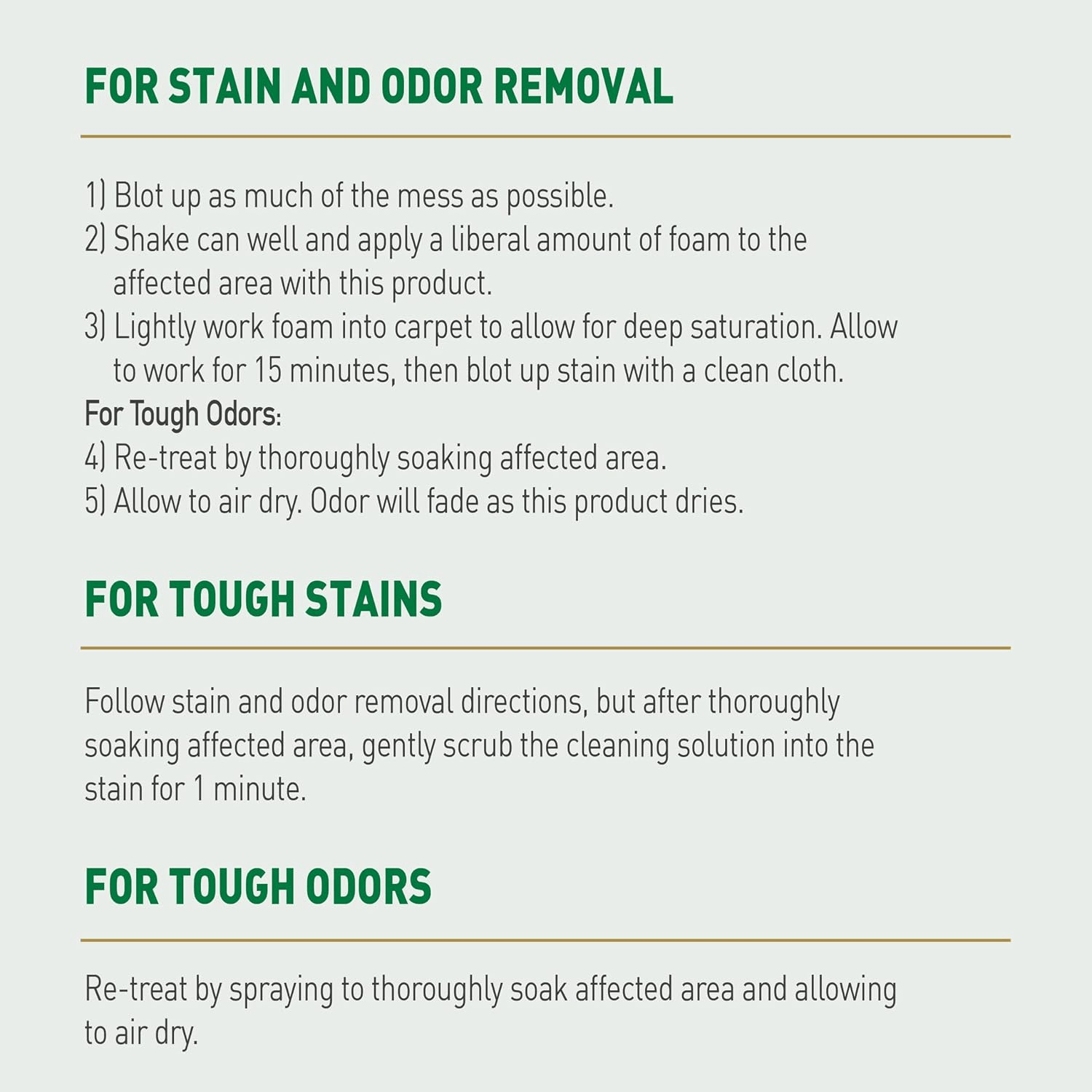
Press towels into fresh urine; do not rub it wider. Test the cleaner, then treat enough material to reach where the urine reached. Follow label dwell, rinsing, extraction, and drying instructions exactly.
Upgrade the litter system
Start with one large box per cat plus one extra, spread across separate quiet locations. Offer unscented soft clumping litter, scoop daily, and use low entries for kittens or arthritic cats.
Separate and multiply resources
Add food, water, beds, scratchers, hiding, and elevated resting sites in multiple areas. Give each cat routes that do not require passing an opponent.
Change the meaning of the target
After it is fully clean and dry, block access, cover with a washable waterproof layer, place a bed or feeding station there, or schedule play at the site. Do not place food on a contaminated surface.
Track for four weeks
Record sites, amounts, posture, box condition, outdoor cats, conflicts, and interventions. Improvement tells you which trigger mattered; recurrence tells the veterinarian or behavior professional where to look next.
How to stop cats from spraying on furniture
Upholstered sofa or chair
- Check the manufacturer's cleaning code and warranty: W, S, W/S, or X can change what is safe.
- Blot fresh urine with white towels, pressing into seams and cushion edges.
- Remove the cover only if the care label allows it. Test cleaner in a hidden area for color change, texture, and water rings.
- Apply a cat-urine enzyme cleaner deeply enough to contact the contaminated layer, without flooding foam unnecessarily.
- Allow the full labeled dwell and drying time. A fan can improve airflow; keep pets away as directed.
- Repeat only according to the label. Once dry, use a washable waterproof furniture cover while the behavior plan takes effect.
Wood, laminate, and painted surfaces
Blot immediately. Use only a product approved for the finish, in the smallest effective amount. Liquid that enters seams or unfinished wood may require professional restoration. Do not soak baseboards or floor joints.
Leather
Urine can alter leather color and finish. Blot, check the furniture maker's care guidance, and contact a leather-cleaning professional before applying an enzyme or household mixture. "It worked on carpet" is not a leather credential.
Mattress or deep cushion
Blot with firm towel pressure, use a cleaner approved for the material, treat the true depth without saturating the core, and dry completely before covering. Persistent deep contamination may require professional extraction or replacement.
Helpful things you can do with basic items
- Make a low-entry litter box from a large storage tote. Cut and safely smooth a low doorway while retaining high sides; or use an under-bed storage box for an arthritic cat.
- Use cardboard to block a window sightline. This is a free test before buying frosted film. If marking falls, outdoor-cat visibility was probably contributing.
- Protect furniture with a washable shower curtain or waterproof mattress protector. Use it temporarily after the area is fully clean and dry.
- Put a scratcher, bed, or play session at the former spot. Change the area's function only after odor removal.
- Move boxes out of ambush zones. A hallway dead end or laundry room with a noisy machine can feel unsafe.
- Use doors and scheduled rotations. Give tense cats separate calm time with full resources while arranging professional behavior guidance.
- Wash the box with mild unscented soap and water. Rinse and dry it; skip strongly scented disinfectants.
Do not use bleach on urine, ammonia cleaners, concentrated vinegar as a universal odor cure, steam before urine residue is removed, mothballs, pepper, citrus oil, tea tree oil, or other essential-oil deterrents. Cats can be irritated or poisoned, surfaces can be damaged, and mixing bleach with ammonia-containing waste can create dangerous gas.
Ranked cleanup and deterrent options
This ranking separates two jobs: urine removal and revisit deterrence. A deterrent sprayed over untreated urine is perfume sitting on a biological invitation. Clean first, let the surface dry fully, then use a compatible deterrent only if the label allows. Never mix products in a bottle or apply one over another while wet.
| Rank | Product | Best use | Works well with |
|---|---|---|---|
| 1 | Nature's Miracle Urine Destroyer Plus for Cats, 17.5 oz | Best for severe cat urine residue on label-approved surfaces | Thorough blotting, full dwell, airflow, then environmental changes |
| 2 | Nature's Miracle Advanced Platinum No More Spraying, 24 oz | Best follow-up deterrent after complete cleanup | An enzyme cleanup first, then use only after dry and according to label |
| 3 | Resolve Urine Destroyer Spray, 32 fl oz | Best-value general carpet and fabric spot-cleaning option | Fast blotting and a surface spot test |
| 4 | Messy Pet Cat Training Deterrent Spray, 27 oz | Experimental boundary spray when a cat dislikes the scent | Behavior/environment changes; responses vary by cat |
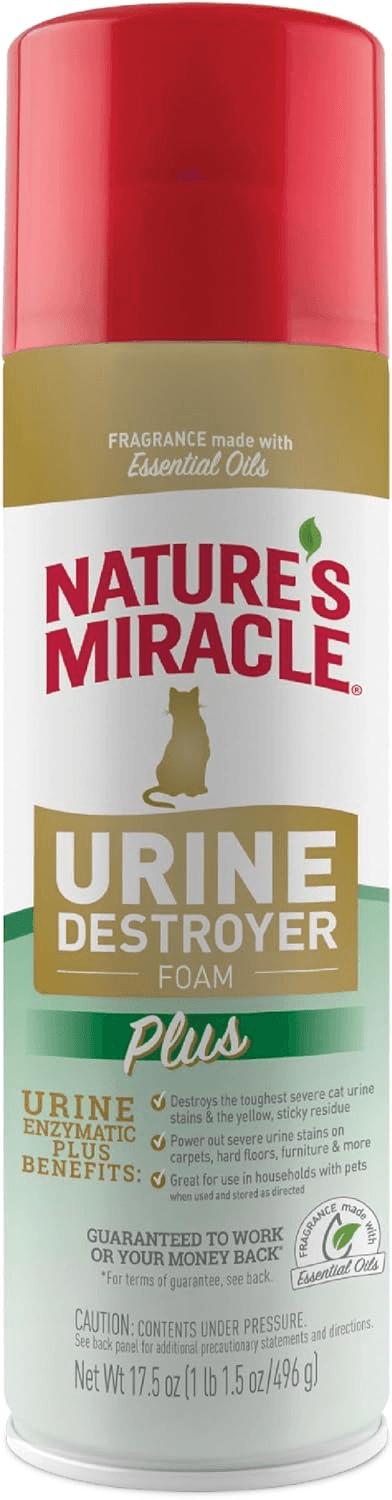
Nature's Miracle Urine Destroyer Plus for Cats, 17.5 oz
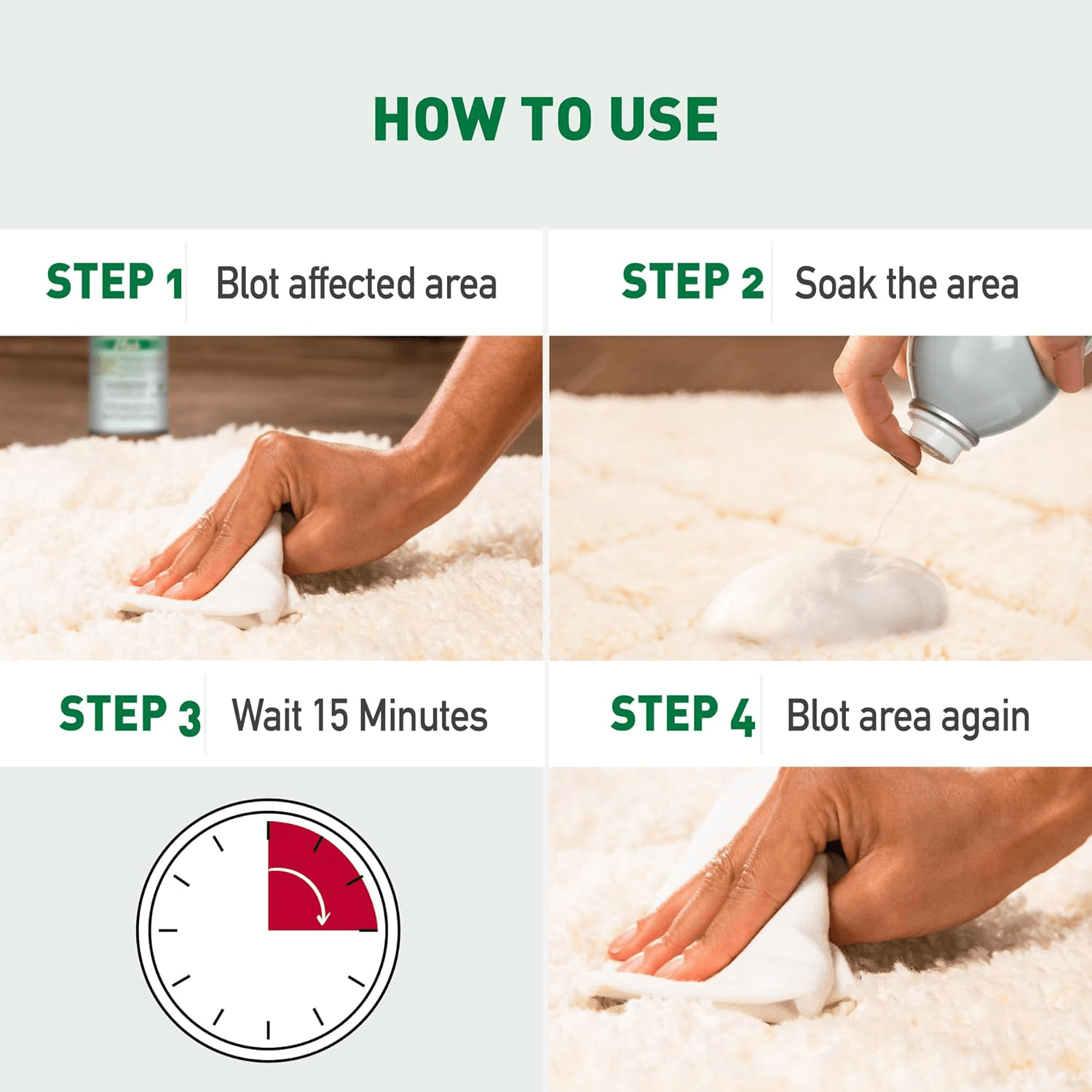
An enzymatic foam intended for severe cat-urine stains and odor on approved carpets, hard floors, furniture, clothing, and other label-listed surfaces. The foam format can help maintain contact on a spot.
Best for: Treating a known urine site before any deterrent strategy.
Watch for: Blot first, spot-test, ventilate, follow the label's soak/work/dry instructions, and keep pets away as directed.
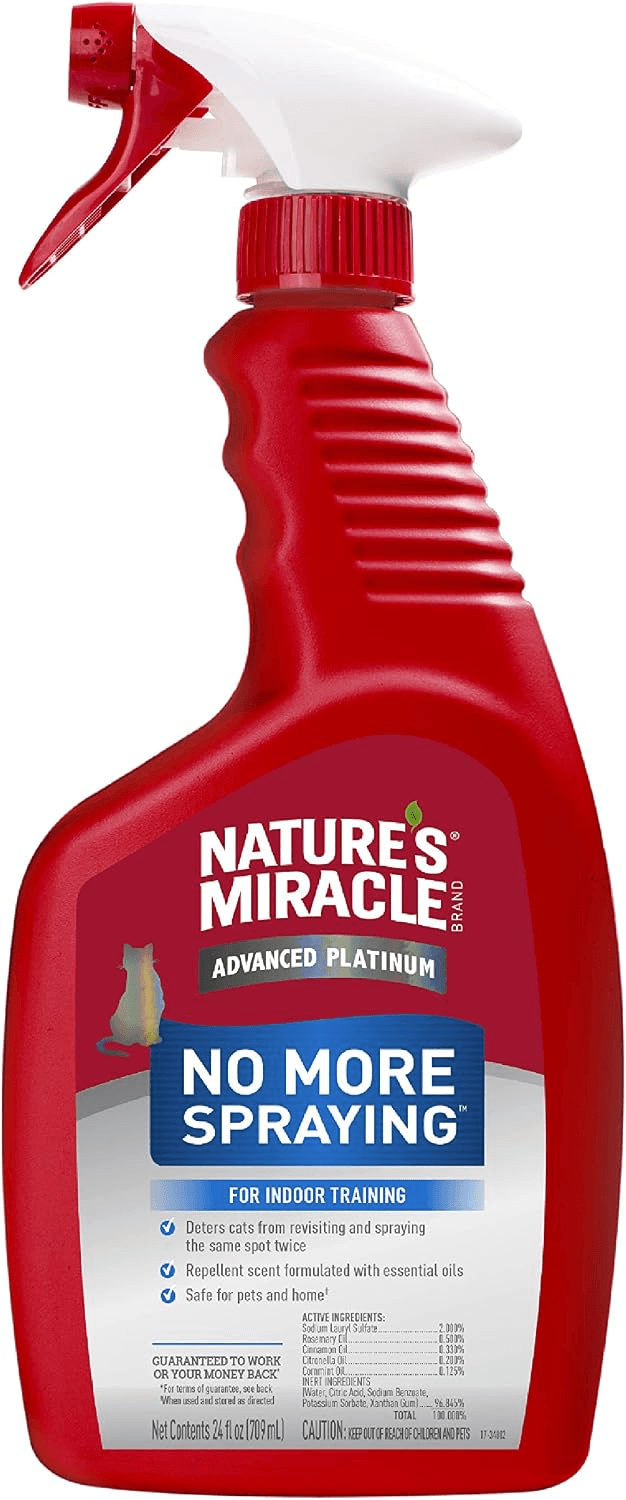
Nature's Miracle Advanced Platinum No More Spraying, 24 oz
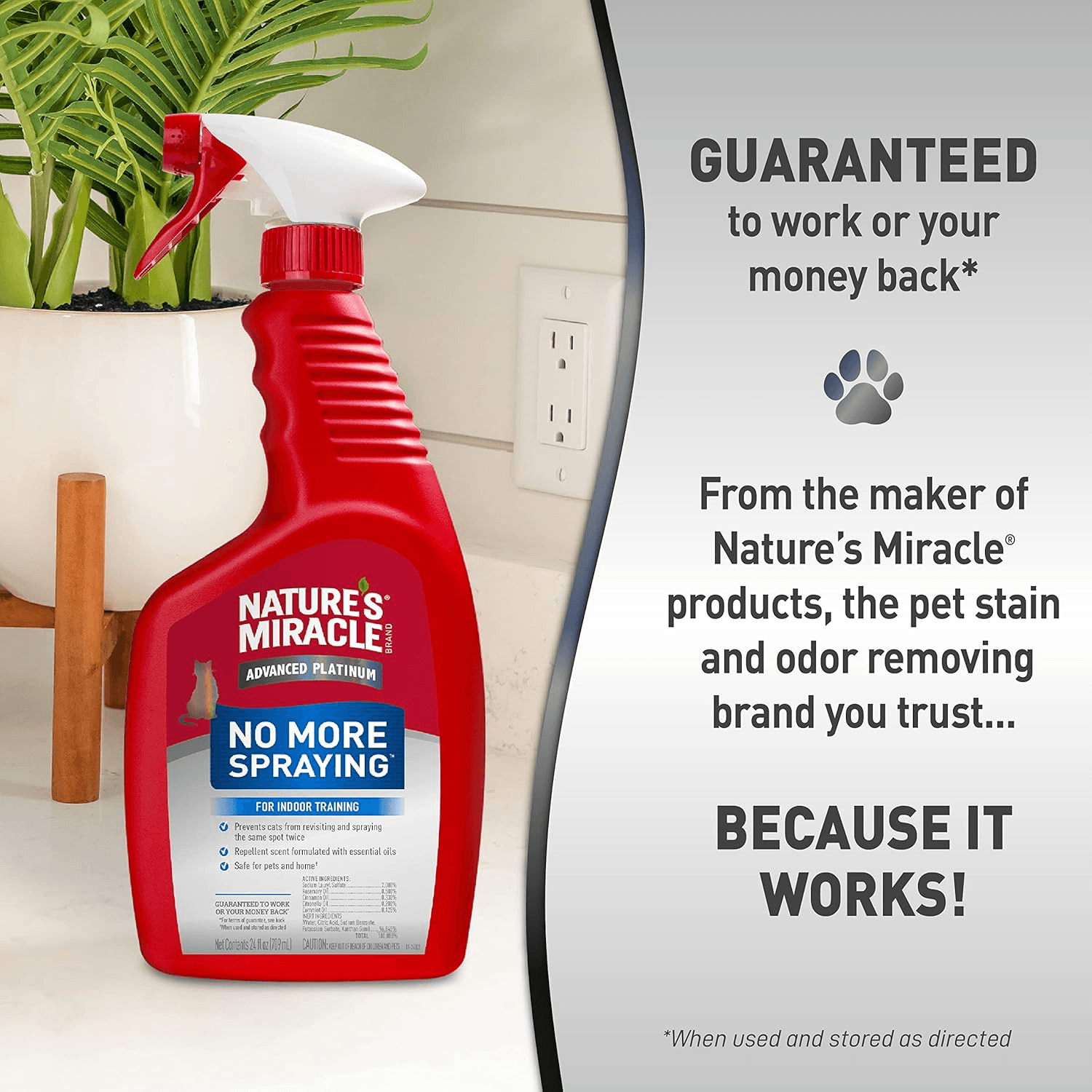
A repellent-scent training aid intended to discourage a cat from revisiting and spraying an indoor area. It is a second step after urine has been removed, not the cleaner for the original contamination.
Best for: A repeat vertical marking site that is already clean and dry.
Watch for: Essential-oil ingredients make label compliance and ventilation important. Never apply to the cat, litter box, food area, or a surface the label excludes.
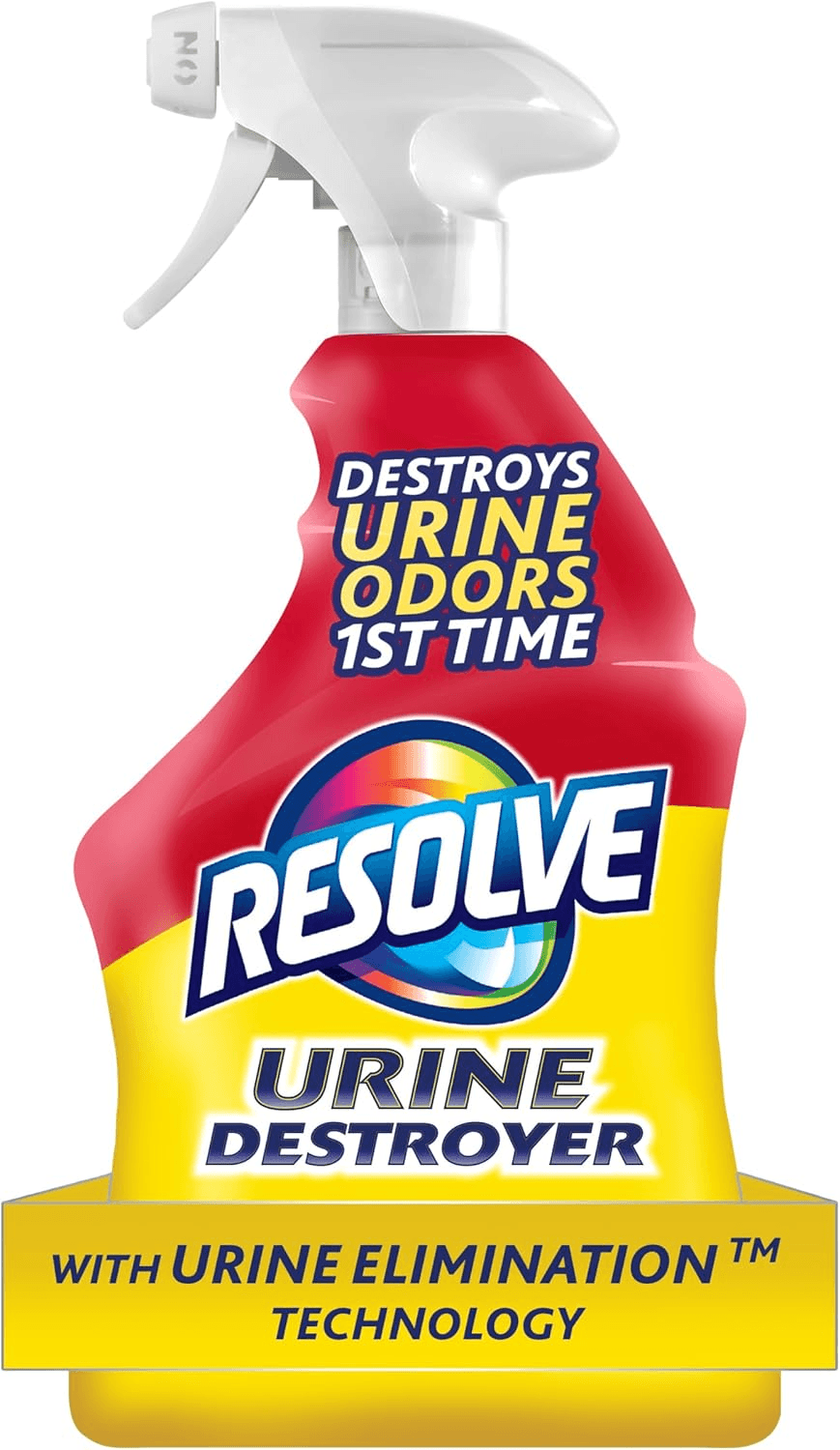
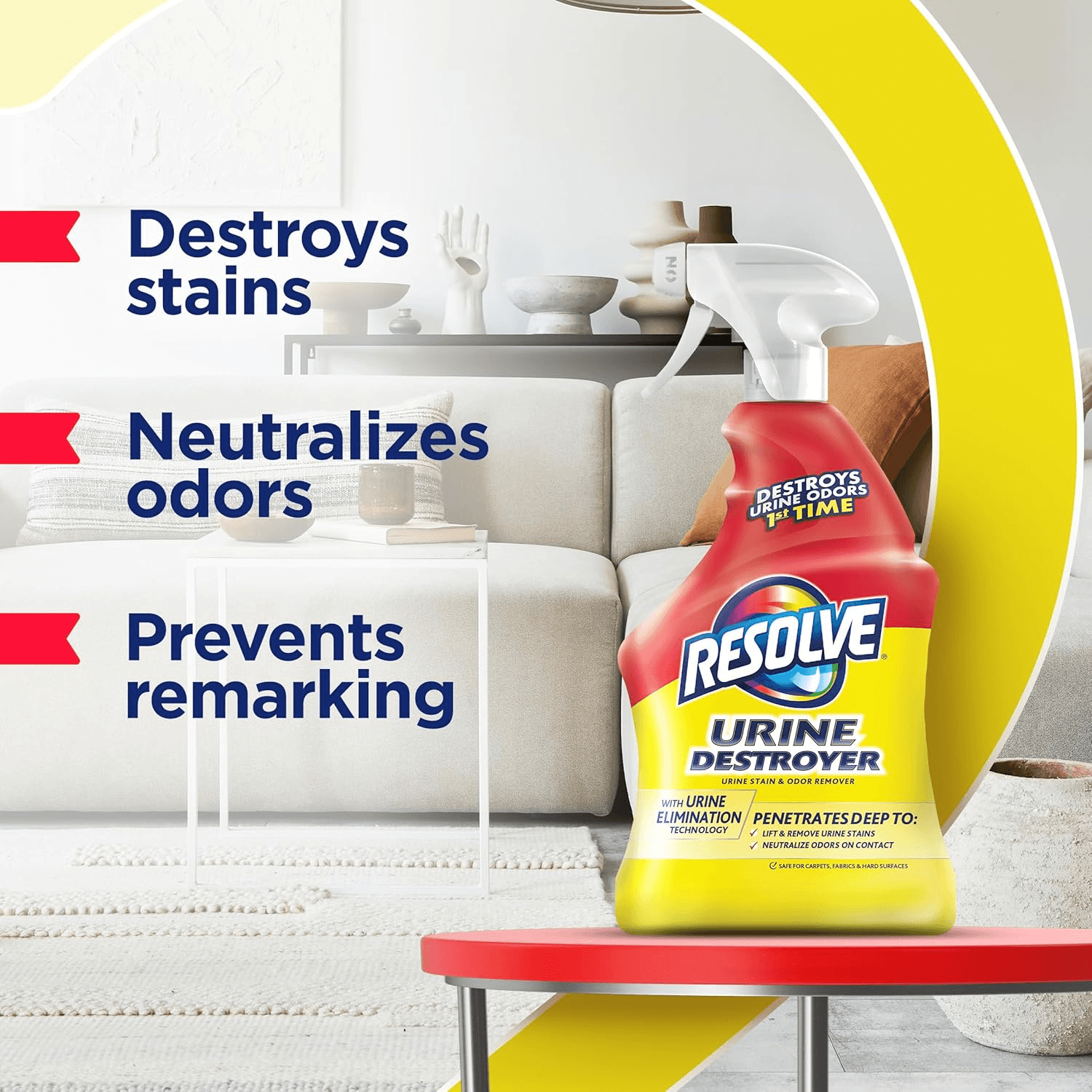
Resolve Urine Destroyer Spray, 32 fl oz
A ready-to-use urine stain and odor product positioned for carpets, fabrics, and hard surfaces listed by the manufacturer. It offers a larger trigger-spray format for general household spot treatment.
Best for: Fresh or located spots on surfaces permitted by the current label.
Watch for: Not every carpet, fabric, wood, or leather finish is compatible. Test first and avoid over-wetting cushion foam.
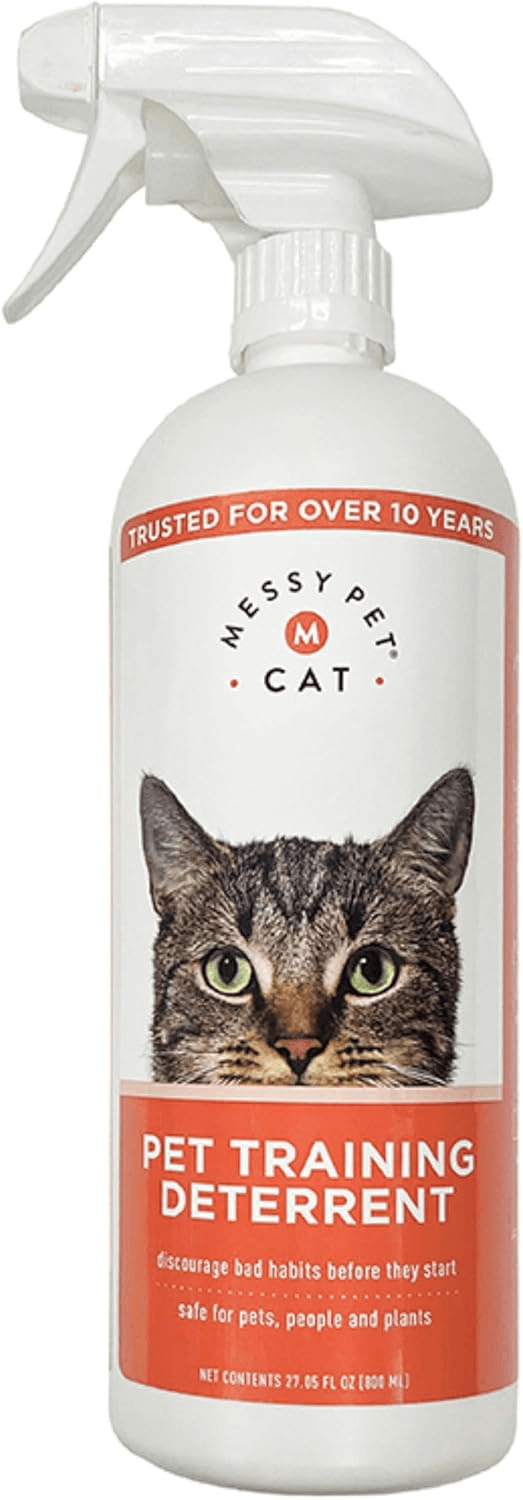
Messy Pet Cat Training Deterrent Spray, 27 oz
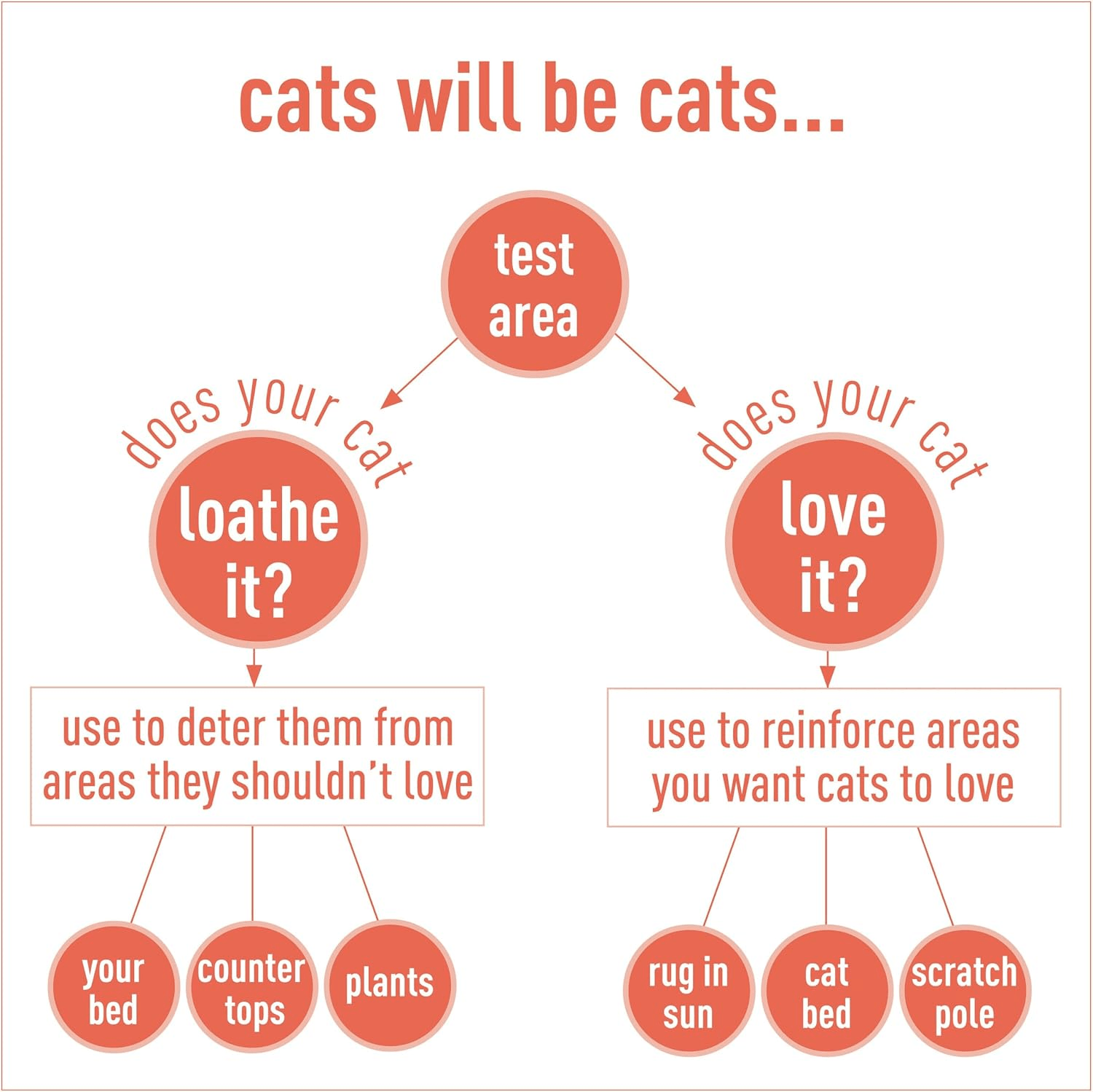
A scent-based indoor/outdoor deterrent marketed for unwanted habits such as scratching and marking. Some cats avoid a treated area; others are unimpressed, because cats did not sign the marketing plan.
Best for: Testing a fully cleaned, label-compatible boundary while the health, litter, and stress plan is already underway.
Watch for: Cat response varies. Test the surface, do not spray the animal, and avoid food, water, litter, bedding, plants, or surfaces not allowed by the current label.
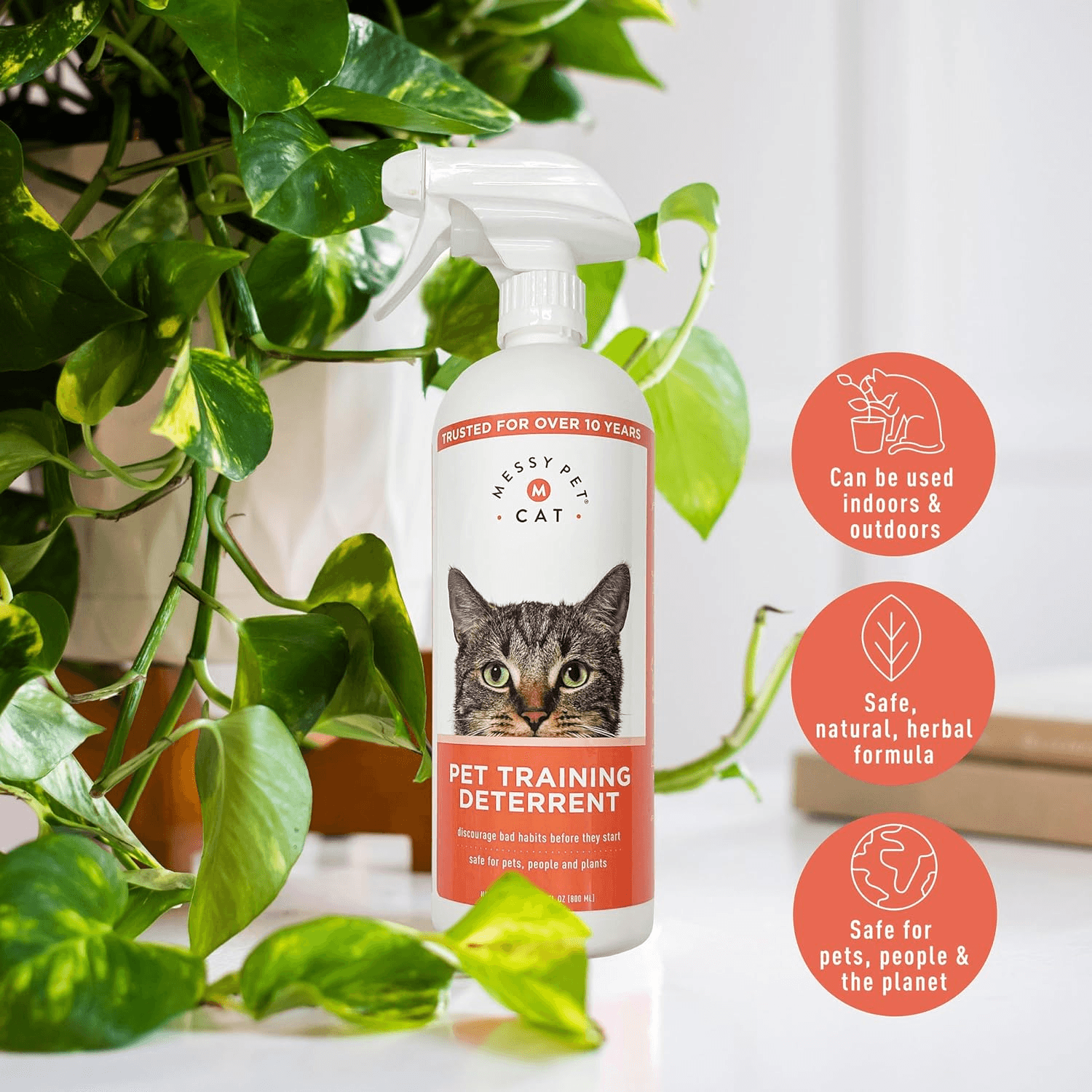
Product images are manufacturer or retailer materials supplied for this guide. Read the current package label before use; formulas, compatible surfaces, instructions, and availability can change.
Frequently asked questions
Will adding another litter box really help?
It often helps when access, cleanliness, location, conflict, or preference is involved. Put the new box in a different useful location rather than next to the existing one, and let the cat choose between litter/setup options.
Should I put the cat's nose in the urine?
No. Cats do not connect delayed punishment with the desired toilet behavior. Punishment can increase fear, conflict, hiding, and marking.
Can anxiety medication stop spraying?
Medication can be part of a veterinarian-led plan for some cats, but it works best with medical assessment and environmental change. Never give human medication or another pet's prescription.
How long until spraying stops?
Some cats improve within days after a major trigger is corrected; established or multi-cat marking can take weeks or longer. Continue cleaning, resource changes, and tracking, and involve a veterinary behavior professional when progress stalls.
Sources and further reading
We use veterinary, public-health, animal-welfare, and official record sources whenever possible. Sources were checked July 26, 2026.
- Cornell Feline Health Center: House Soiling
- Ohio State Indoor Pet Initiative: Litter Boxes
- Ohio State Indoor Pet Initiative: Conflict Between Cats
- Ohio State Indoor Pet Initiative: How to Clean Cat Urine
- FelineVMA: House-Soiling Behavior in Cats
- AVMA: Feline Lower Urinary Tract Disease
- Nature's Miracle: No More Spraying directions
- Nature's Miracle: Urine Destroyer Plus directions
- Resolve: Urine Destroyer product information
- Messy Pet: Product FAQs
Quick answers
How do I stop my cat from spraying?
Start with a veterinary exam, neuter or spay if appropriate, clean marked areas thoroughly, provide one litter box per cat plus one extra in separate locations, reduce conflict and outdoor-cat triggers, and never punish.
How do I stop cats from spraying on furniture?
Blot fresh urine, use a fabric-compatible enzymatic cleaner deeply enough to reach the contamination, let it dry fully, block or cover the spot temporarily, and address the medical or social cause. Spot-test every cleaner.
What smells deter cats from spraying?
Strong DIY fragrances and essential oils are unreliable and can be irritating or toxic. A commercial deterrent may help after complete cleaning, but litter setup, health, neuter status, and stress matter more.
Why is my cat suddenly peeing outside the litter box?
Urinary pain, kidney disease, diabetes, arthritis, constipation, litter aversion, fear, and social conflict are among many causes. A sudden change needs a veterinary exam.
Is a male cat that cannot pee an emergency?
Yes. Repeated straining with little or no urine, crying, vomiting, weakness, or a painful abdomen can indicate urinary obstruction. Seek emergency veterinary care immediately.