Prevent mistakes, provide frequent access to the correct toilet area, reward immediately after success, supervise between trips, and clean accidents so no odor remains. If a previously trained pet starts having accidents, treat it as a health question before calling it stubbornness.
House training is not a moral test. A puppy with a tiny bladder, a frightened rescue dog, and a cat avoiding a painful litter box are not plotting against the rug. They are giving information. Your job is to make the right place easy, safe, and rewarding.
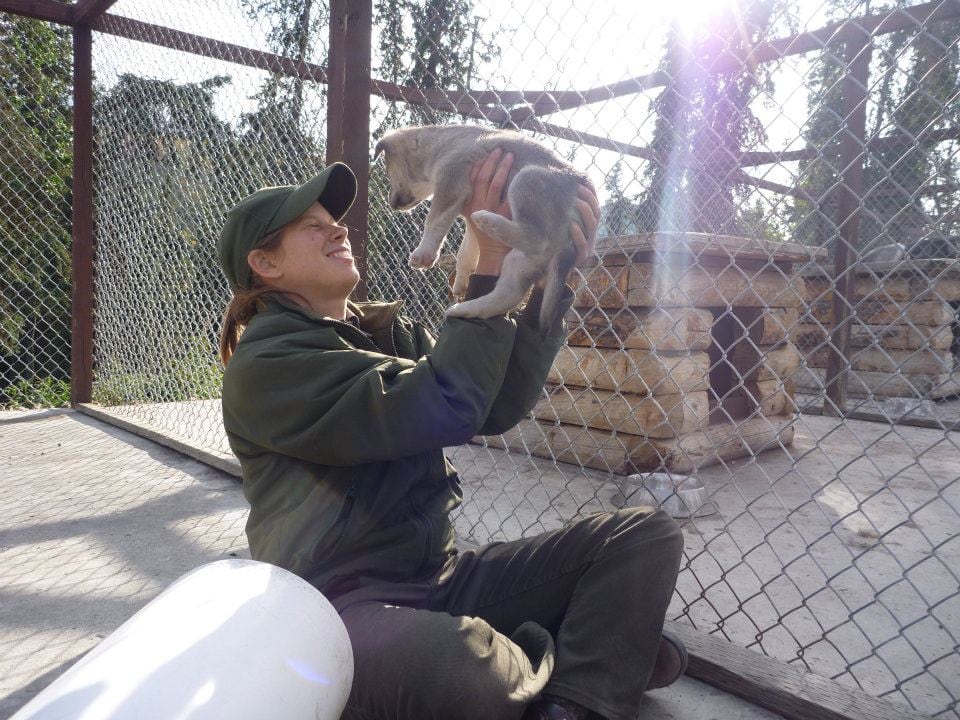
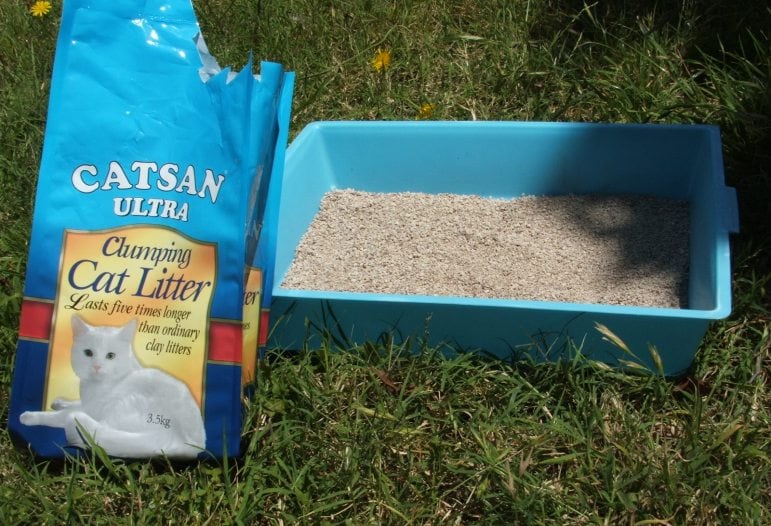
How to house train a puppy or adult dog
Choose one toilet area and one cue
Walk calmly to the same outdoor area on leash. Say a short cue once, then become boring while the dog sniffs. A consistent surface and location speed the connection.
Go out at high-probability times
Take the dog out after waking, eating, drinking a lot, play, excitement, naps, and before bed. Young puppies need more frequent opportunities than adults. Do not ask a puppy to match an adult workday.
Reward at the correct second
As soon as the dog finishes outside, mark the behavior with praise or a click and deliver a small treat right there. Rewarding after returning indoors can accidentally reward the return, not the toilet behavior.
Supervise or safely confine
Use a leash attached to you, a small pet-safe room, exercise pen, or properly sized crate for short periods. Confinement prevents wandering accidents; it is not punishment and never replaces exercise or toilet trips.
Learn the pre-potty signals
Sniffing, circling, leaving play, pacing, suddenly going quiet, heading toward a prior accident, or moving toward the door all mean "go now."
Expand freedom slowly
After a reliable stretch, add one room at a time. If accidents return, reduce freedom and increase trips for a week. Progress is a trend, not an uninterrupted victory montage.
Crate basics
A crate should let a dog stand, turn, and lie comfortably. It should not be so large that a puppy routinely toilets at one end and sleeps at the other. Introduce it with food, short relaxed sessions, and a comfortable temperature. Never leave a dog confined beyond an age- and health-appropriate interval. Dogs who panic, soil themselves, drool heavily, or injure themselves need a different management plan and professional help.
How to litter-train a kitten or cat
Most cats are naturally inclined to dig and cover waste, so "training" is often environmental design. If the box is dirty, perfumed, cramped, guarded by another cat, or painful to enter, the bathmat may win the bid.
- Start with enough boxes. Use one per cat plus one extra as a starting point, distributed in different areas. Three boxes shoulder-to-shoulder function like one location.
- Choose large, uncovered boxes. Many commercial boxes are too small. A low entry helps kittens and pets with arthritis; high sides elsewhere can contain scatter.
- Offer unscented, soft clumping litter. Avoid sudden changes. If switching, provide old and new options side by side and let the cat vote.
- Pick quiet but accessible locations. Avoid dead ends, noisy appliances, food bowls, and places where dogs or other cats can block the exit.
- Scoop at least daily. Wash with mild unscented soap and water as needed. Strong perfume satisfies people more than cats.
- Place a new kitten in the box after waking and meals. Let the kitten explore; do not hold paws and scrape them through litter.
- Reward calm use. A treat or gentle praise after the cat exits can help, but do not crowd the box.
What to do when you catch an accident
- If you notice a dog beginning to eliminate, interrupt gently with a neutral sound and take the dog outside. Reward if they finish there.
- Do not yell, rub a nose in the mess, drag a cat to the box, or punish after the event. Those actions teach fear, not location.
- Blot liquid rather than scrubbing it outward. Remove solids, then clean the full odor footprint with a surface-compatible enzymatic cleaner.
- Avoid ammonia-based products, which can smell urine-like to pets. Never mix cleaners.
- Temporarily block the spot, place a bed/food/play station there after it is fully clean, or add a litter box near a repeated cat location while solving the cause.
Sample starter schedules
| Pet | Morning | Day | Evening |
|---|---|---|---|
| Young puppy | Outside immediately, breakfast, outside again | Very frequent trips after naps, play, food, and water; supervised time | Dinner, play, several trips, final quiet trip at bedtime |
| Adult dog learning a new home | Outside on waking and after breakfast | Scheduled midday trip plus after excitement/play | After dinner, during evening, and before bed |
| Kitten | Scoop boxes; calmly place near box after breakfast | Keep boxes easy to reach; scoop after use when possible | Play, meal, quiet box access; scoop before bed |
| Adult cat | Scoop and note urine/stool output | Maintain quiet access and separate resources | Scoop, refresh as needed, check for changes |
These are patterns, not bladder timers. Age, medication, health, diet, weather, and individual habits change the schedule. Keep a seven-day log of meals, water, toilet trips, successes, and accidents; it will reveal intervals better than guessing.
Troubleshooting common setbacks
The dog toilets immediately after coming inside
The outside trip may be too distracting or may end as soon as the dog eliminates. Use a leash, wait quietly, reward, then add a short sniff walk so toileting does not make outdoor time disappear.
The cat uses the box for urine but not stool
Offer a second large box with a different shape or litter, examine location and cleanliness, and arrange a veterinary exam. Pain, constipation, box size, and preference can all matter.
Rain or snow causes refusal
Create a sheltered toilet spot, use a path, reward generously, and practice during mild weather. Do not leave a worried puppy outside alone hoping determination arrives.
A previously trained pet starts having accidents
Urinary infection, obstruction, kidney disease, diabetes, gastrointestinal illness, pain, cognitive change, parasites, medication effects, and mobility problems can all change elimination. Straining, repeated attempts, crying, blood, vomiting, lethargy, or little/no urine is urgent, especially in male cats.
Frequently asked questions
Should I use potty pads?
Pads can be useful for specific medical, mobility, high-rise, or weather situations, but they also teach an indoor surface. If the goal is outdoor toileting, decide on a transition plan and do not scatter pads across the home.
Can cats and dogs share a toilet area?
Do not expect a cat to feel safe in a box a dog can approach, eat from, or guard. Use gates, elevated access, or cat-only rooms. Dogs should have their own outdoor routine.
When should I hire a trainer?
Seek a reward-based trainer or veterinary behavior professional for fear, panic, aggression, persistent setbacks despite a medical check, or a household setup you cannot manage safely.
Sources and further reading
We use veterinary, public-health, animal-welfare, and official record sources whenever possible. Sources were checked July 26, 2026.
Quick answers
How long does house training take?
Some pets improve in days, but reliable habits often take weeks or months. Age, health, previous learning, schedule consistency, and environment all matter.
Should I punish a pet for an accident?
No. Punishment after the fact does not teach the correct location and can create fear, hiding, or reluctance to eliminate near you.
How many litter boxes do cats need?
A common starting point is one box per cat plus one extra, placed in separate accessible locations rather than lined up as one station.
Can an adult rescue dog be house trained?
Yes. Start as though the dog has never learned your home, door, schedule, or surface preference. Medical issues should be ruled out when accidents are frequent or sudden.