Schedule regular species-appropriate veterinary exams; weigh and observe the animal consistently; make food, water, rest, and toileting easier to reach; preserve safe movement and enrichment; and treat pain, weight change, behavior change, and reduced grooming as health information rather than "just old age."
Senior care is less about adding random supplements and more about removing daily friction. A lower litter-box entry, a softer resting surface, a correctly positioned heat source, or soaked forage may matter more than a cabinet full of products.
Trouble breathing, collapse, seizure, severe bleeding, inability to urinate or defecate, repeated unproductive straining, major trauma, extreme weakness, rapidly swollen abdomen, uncontrolled pain, or sudden loss of balance needs immediate veterinary or emergency advice. Birds, rabbits, reptiles, and prey species may hide illness until advanced.
Senior dogs

- Veterinary care: AAHA recommends individualized senior assessment; many older dogs benefit from exams about every six months, with blood pressure and laboratory testing based on risk.
- Mobility: Use non-slip runners, ramps with side rails, supportive harnesses, trimmed nails, and orthopedic bedding. Keep exercise regular but adjustable rather than saving all activity for one strenuous weekend.
- Nutrition: Track body weight and muscle over the spine, hips, and head. Calorie needs may fall while protein and disease-specific needs vary. Do not restrict protein or add supplements without guidance.
- Teeth and senses: Dental disease, hearing loss, and vision change can alter appetite and startle response. Approach sleeping dogs gently and keep furniture layouts predictable.
- Cognition: Night waking, getting stuck, house-soiling, altered interaction, or aimless pacing can have medical or cognitive causes. Early discussion gives more options.
For odor changes, see our guide to why old dogs smell.
Senior cats
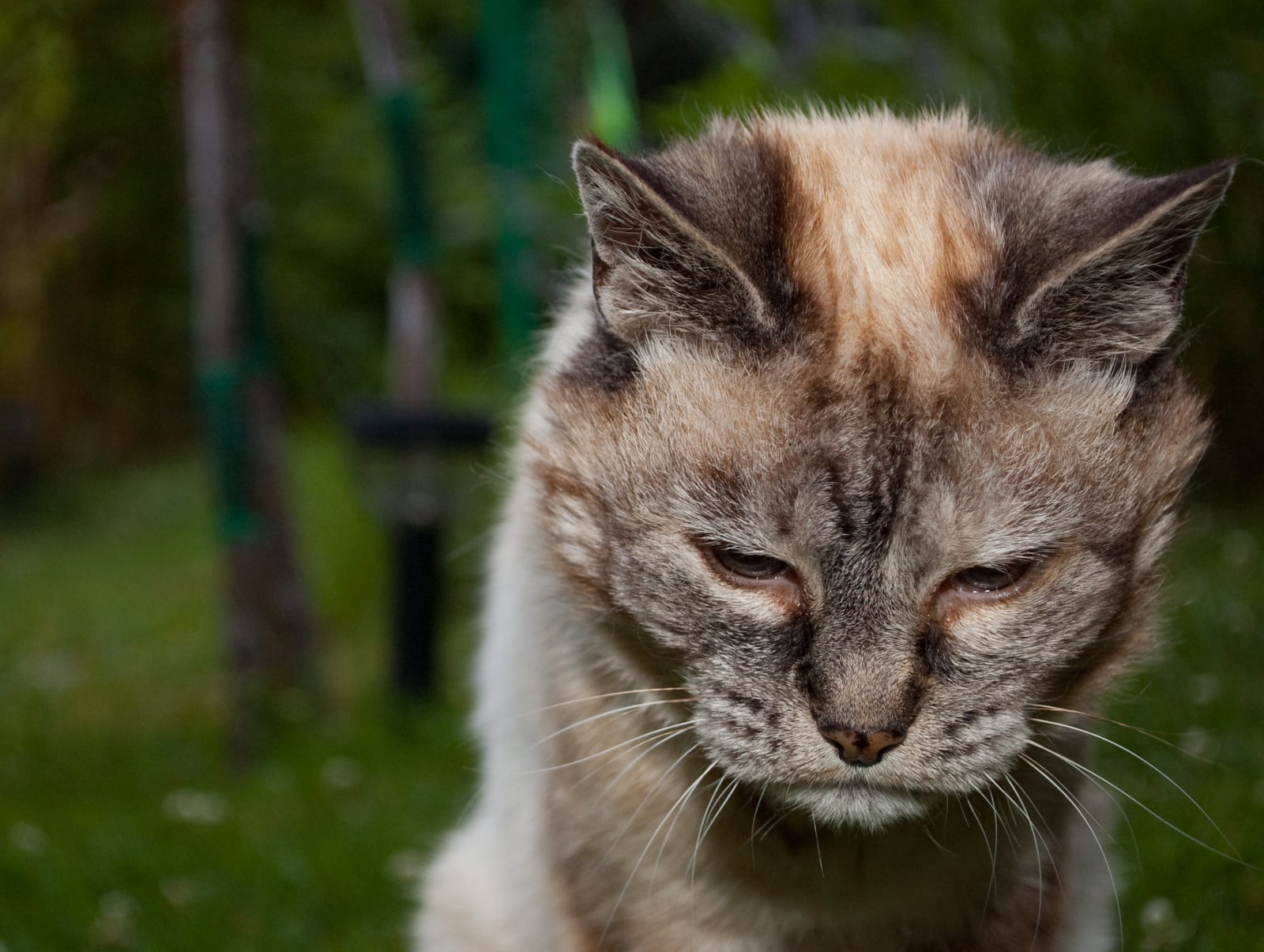
- Make vertical life reachable: Add stable steps to beds and windows, warm low resting places, and food/water on the level where the cat spends time.
- Improve litter access: Use several large boxes with low entries and high sides elsewhere, soft unscented litter, and night lighting. Place boxes on every commonly used floor.
- Watch hydration and kidneys: Note water intake, urine clump size, appetite, vomiting, and weight. Increased thirst or urination deserves evaluation.
- Support grooming: Brush gently, check nails that may thicken or curl, and inspect for mats. Greasy coat or stopped grooming often signals pain or illness.
- Check blood pressure and thyroid/kidney risk: Ask the veterinarian which screening is appropriate.
Senior rabbits
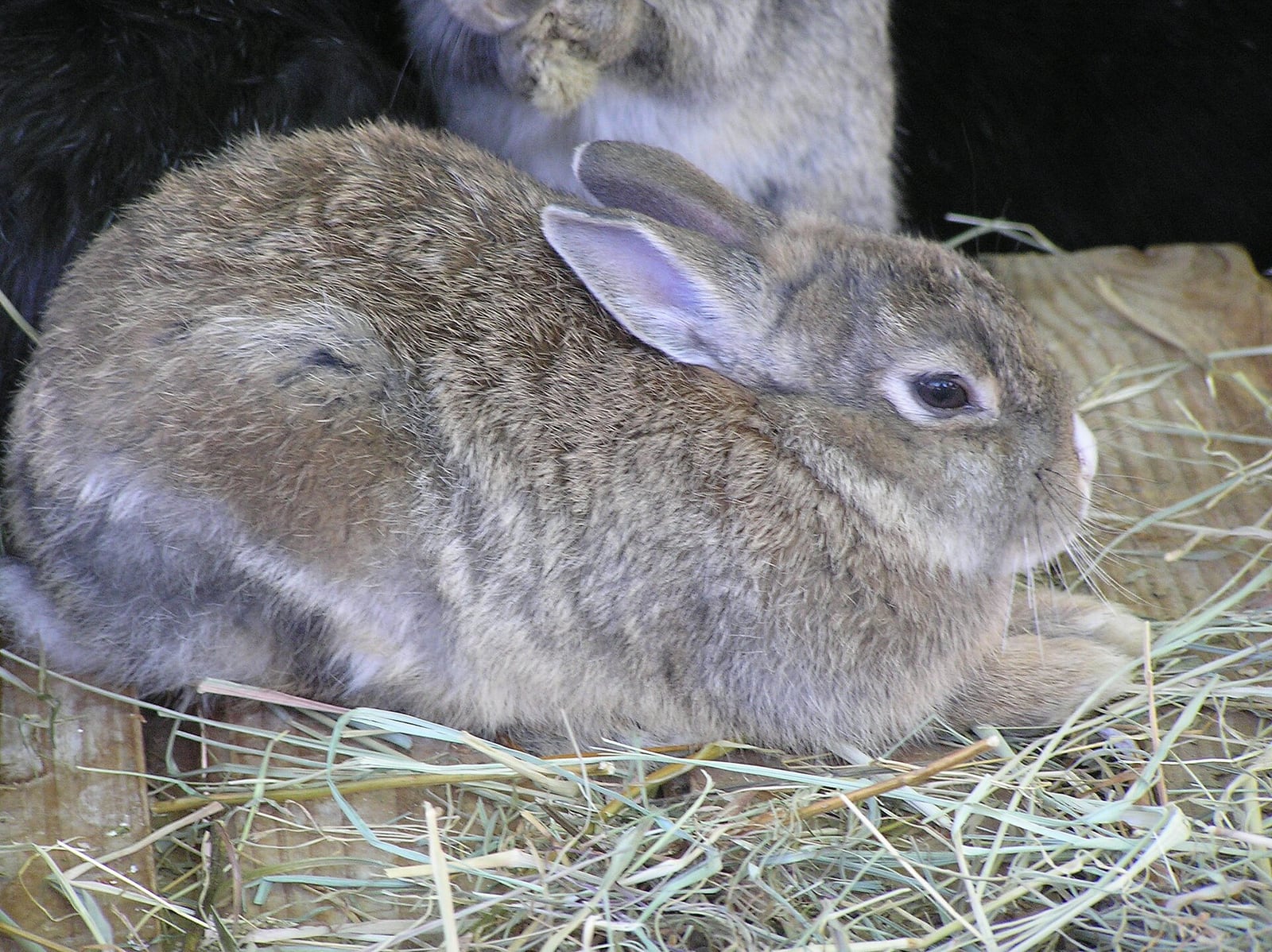
- Appetite and droppings are vital signs: Reduced eating, fewer/smaller droppings, bloating, or sitting hunched is urgent. Rabbits can decline rapidly.
- Protect mobility: Provide thick non-slip flooring, low-entry litter trays, shallow ramps, and dry bedding. Check hocks for sores and the underside for urine/fecal soiling.
- Dental care: Rabbit teeth grow continuously. Drooling, selective eating, dropping food, wet chin, eye discharge, or weight loss needs a rabbit-savvy veterinarian.
- Diet: Keep species-appropriate grass hay central unless medically directed otherwise, with measured pellets and suitable greens. Changes should be gradual.
- Companionship: Preserve bonded relationships when possible and monitor that a stronger rabbit is not taking food.
Senior snakes
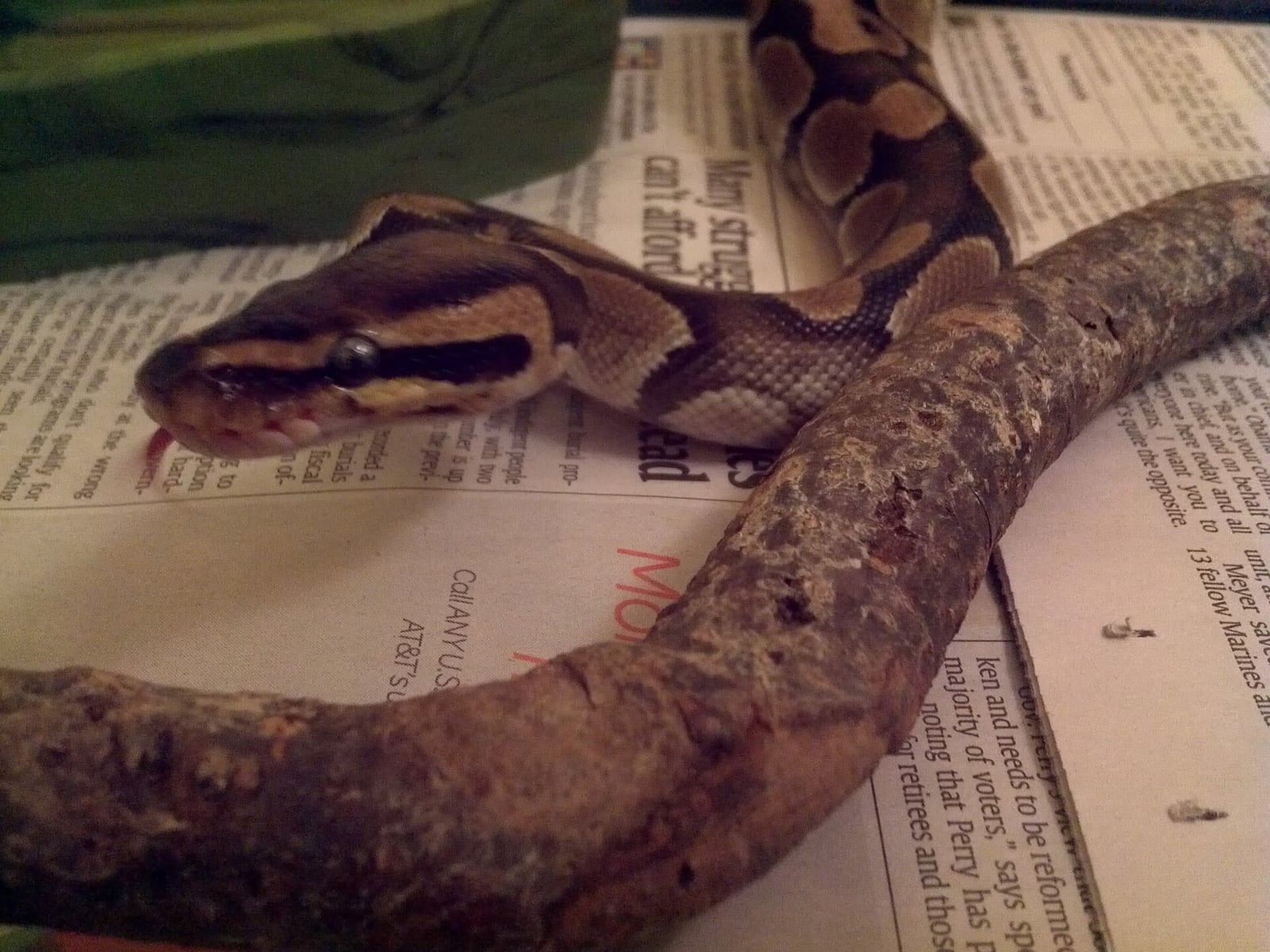
- Verify husbandry with instruments: Use accurate digital thermometers and hygrometers at relevant locations. Species-specific temperature gradients and humidity matter more than the animal's age label.
- Track meals and sheds: Record offered/accepted prey, regurgitation, stool, urates, shed quality, and body weight. Do not automatically increase feeding because a snake seems thin; parasites or disease need assessment.
- Make climbing safe: Lower heavy branches, secure decor, and provide hides on both warm and cool sides. Arthritis and muscle loss may change movement.
- Do not guess supplements or UV needs: These are species- and diet-dependent. Consult an experienced reptile veterinarian.
- Red flags: Open-mouth breathing, bubbles, wheezing, persistent refusal with weight loss, regurgitation, burns, retained eye caps, swelling, or neurologic signs need care.
Senior iguanas
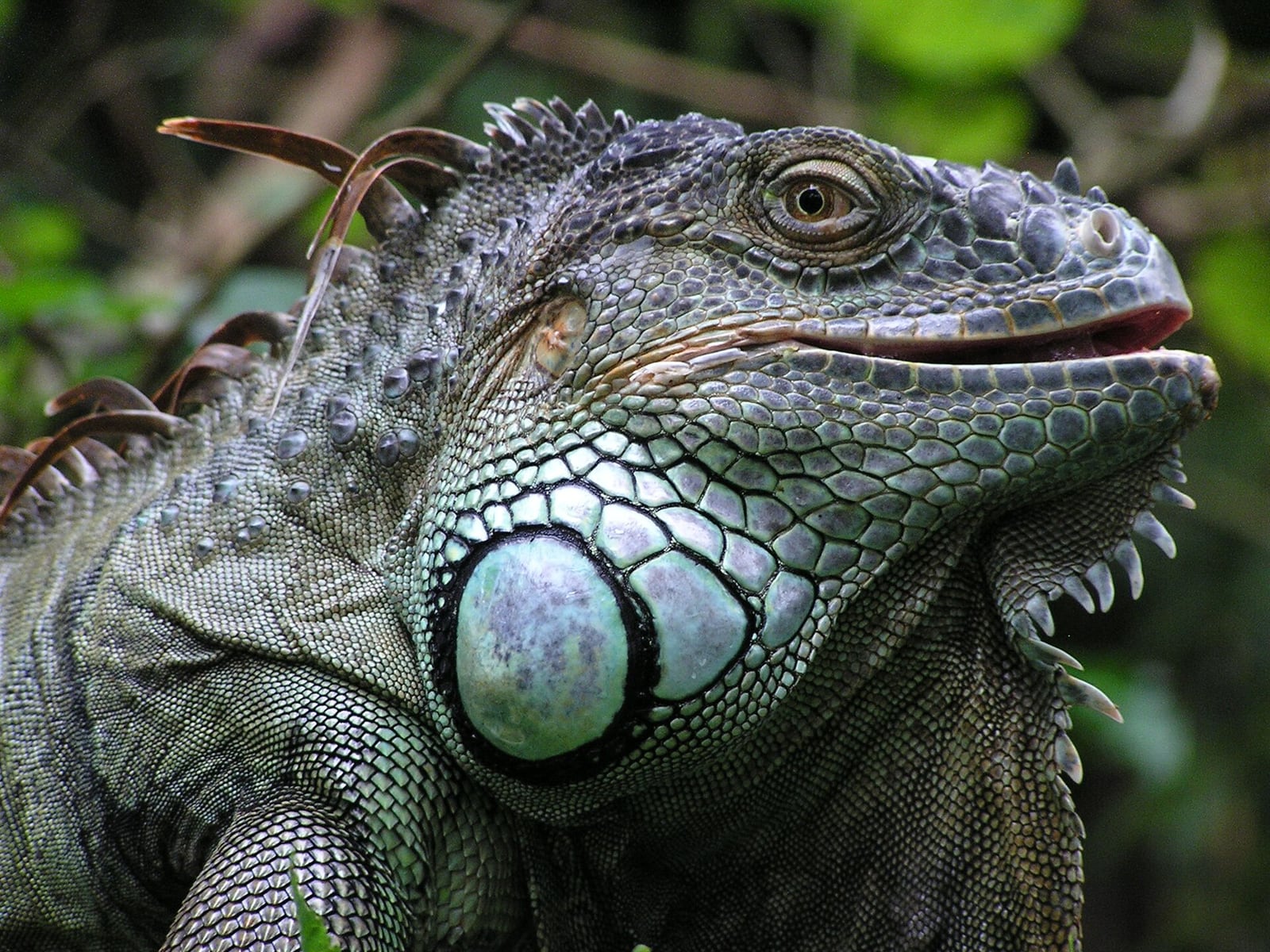
- Audit UVB: Replace bulbs on the manufacturer's schedule, ensure there is no glass/plastic blocking useful UVB, and measure placement. Natural light through a closed window is not equivalent.
- Keep basking accessible: Add wide ramps and stable shelves; guard heat sources to prevent burns. Measure the basking surface, not just room air.
- Feed the correct herbivorous diet: Appropriate leafy greens and vegetables should follow reptile-veterinary guidance. Animal protein and random vitamin dosing can cause harm.
- Watch jaw, spine, and limbs: Swelling, weakness, tremors, fractures, or difficulty climbing may signal metabolic bone disease or other illness.
- Plan handling: Large older iguanas can injure themselves or people if painful and frightened. Use low-stress, secure transport.
Senior horses
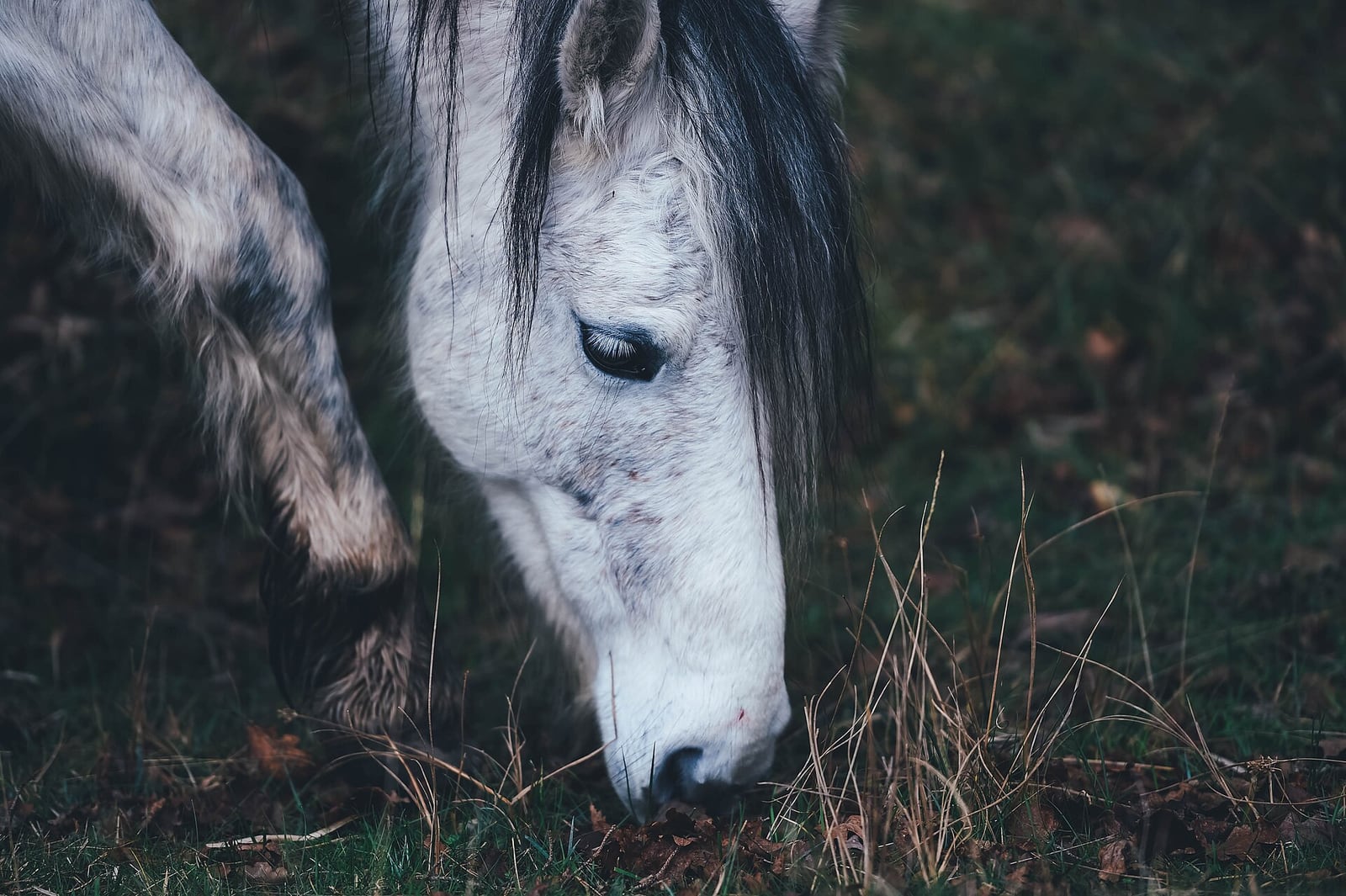
- Dental exams: AAEP notes that dental problems can affect chewing and health. Quidding, long fibers in manure, slow eating, foul mouth odor, or weight loss need evaluation.
- Body condition and muscle: Use hands under winter coat, track weight tape trends, and photograph consistently. Senior feeds or soaked forage may help only after dental and medical assessment.
- Hooves and movement: Continue farrier care, arthritis management, turnout, and footing adjustments. Long periods of inactivity can worsen stiffness.
- Herd access: Confirm the horse reaches feed, water, shade, and shelter without being displaced. Separate feeding may be necessary.
- Weather: Provide shelter, unfrozen water, suitable blankets when needed, and enough digestible forage. Older horses may regulate temperature less effectively.
Senior pet pigs
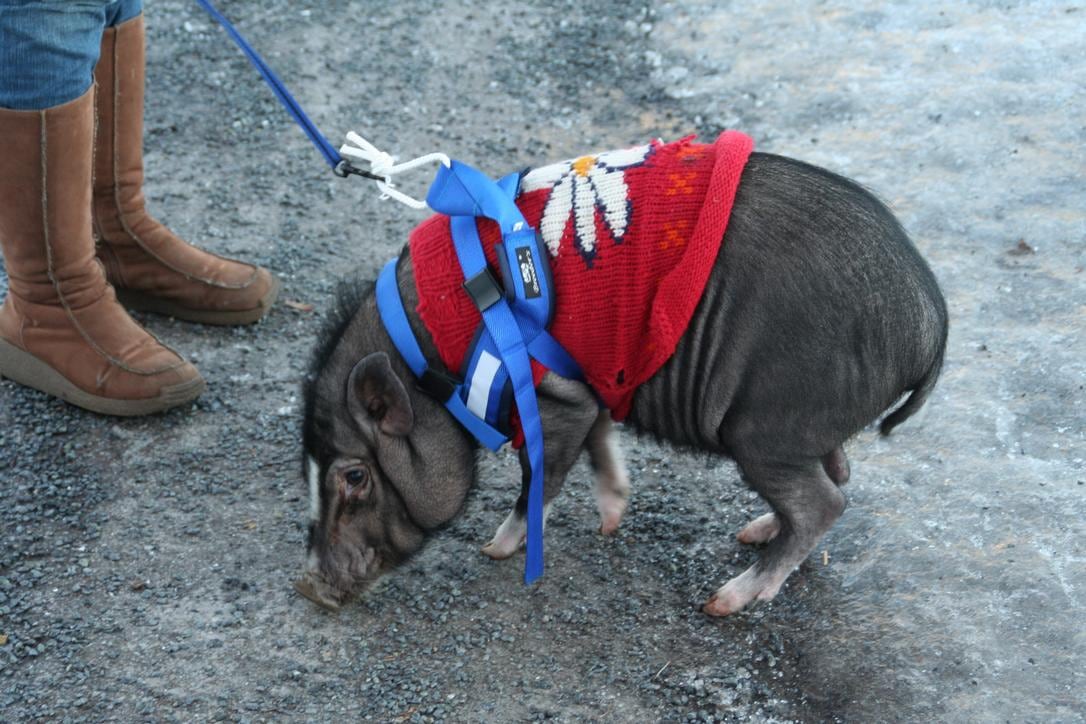
- Control weight without crash dieting: Obesity worsens joints, feet, breathing, and skin folds. Use a measured complete miniature-pig diet with veterinary guidance and low-calorie enrichment.
- Inspect feet and skin: Schedule hoof trims, provide non-slip flooring, check folds and the underside, and prevent pressure sores.
- Protect from temperature extremes: Pigs need shade and cooling in heat, dry bedding and shelter in cold, and constant clean water.
- Make movement rewarding: Scatter part of the measured ration, use rooting boxes, and provide gentle exercise appropriate to mobility.
- Watch elimination: Straining, constipation, urinary changes, vaginal discharge, or appetite loss needs a pig-experienced veterinarian.
Senior birds
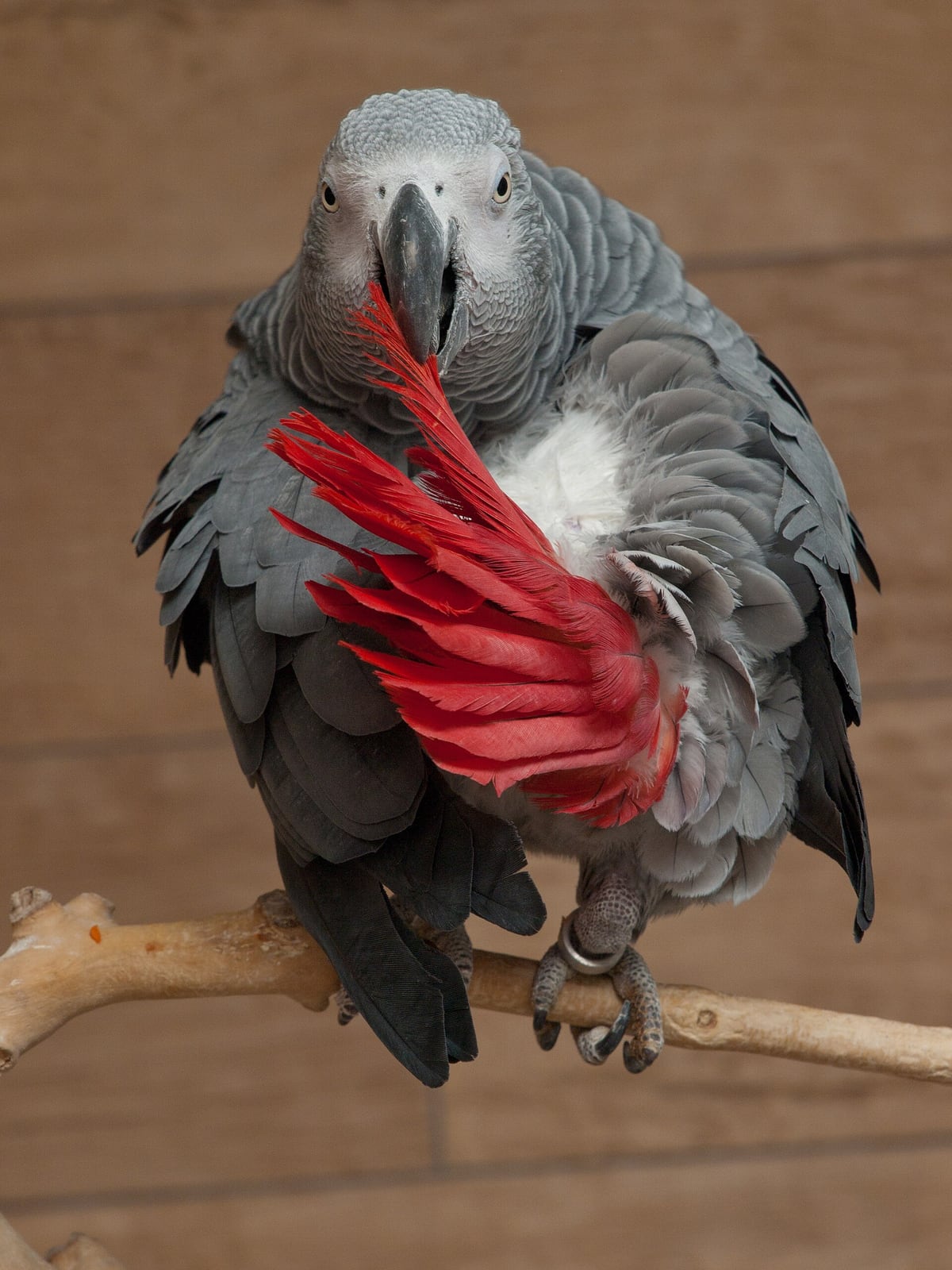
- Use a gram scale: Weigh at the same time under similar conditions and keep a trend. A small percentage change can matter in a bird.
- Lower fall risk: Add platform perches, rope routes, and lower food/water while preserving room to move. Avoid sandpaper perch covers.
- Protect feet: Offer varied diameters and textures, keep perches clean/dry, and inspect soles for redness or sores.
- Maintain nutrition and enrichment: Do not switch an older bird abruptly. Foraging, social time, daylight routine, and safe shredding remain important even when mobility changes.
- Seek avian care early: Fluffed posture, reduced vocalizing, tail bobbing, open-mouth breathing, sitting low, changed droppings, or reduced eating can signal serious illness.
A weekly quality-of-life record
Write down body weight, appetite, water, elimination, pain signs, mobility, grooming, sleep, social engagement, medication effects, and one favorite activity. Mark good and difficult days on a calendar. Photos or short videos of walking, breathing, climbing, and eating can help the veterinary team see trends that disappear in the clinic.
It is more comfortable, engaged days. Discuss palliative care, pain control, mobility support, and end-of-life planning before a crisis so decisions can center the animal rather than the emergency.
Sources and further reading
We use veterinary, public-health, animal-welfare, and official record sources whenever possible. Sources were checked July 26, 2026.
- AAHA: 2023 Senior Care Guidelines for Dogs and Cats
- Rabbit Welfare Association and Fund: Caring for Senior Rabbits
- Merck Veterinary Manual: Reptile Management and Husbandry
- AAEP: 10 Tips for Caring for the Older Horse
- AAEP: Introduction to Equine Dentistry
- Merck Veterinary Manual: Diseases of Miniature Pet Pigs
- Association of Avian Veterinarians: Resources for Bird Owners
Quick answers
How often should an elderly pet see a veterinarian?
Many veterinary guidelines support at least twice-yearly assessment for senior dogs and cats, but species, health, and medication can require more frequent care. Ask the veterinarian who knows the animal.
Is weight loss normal in old pets?
No unexplained weight loss should be dismissed as normal aging. Dental pain, organ disease, cancer, parasites, husbandry problems, and other conditions can cause it.
Should senior pets eat senior food?
Not automatically. Nutritional needs depend on species, body condition, disease, activity, and the complete diet. Change food with veterinary guidance.
How do I know when quality of life is declining?
Track comfort, appetite, hydration, mobility, hygiene, social engagement, favorite activities, and good days versus difficult days. Discuss trends with the veterinary team before a crisis.