Older dogs do not automatically smell bad because they are old. They may smell stronger because arthritis makes grooming harder, skin and ear disease become more likely, dental disease accumulates, or small urine leaks reach fur and bedding. Find the source first; then clean the dog and the environment without covering up symptoms.
Senior dogs earn many privileges: the softest bed, the slowest walk, and the right to stare at you until dinner happens. A permanent cloud of mystery odor is not one of those privileges. The useful question is not "How do I make my old dog smell like a candle?" It is "Where is this smell coming from?"
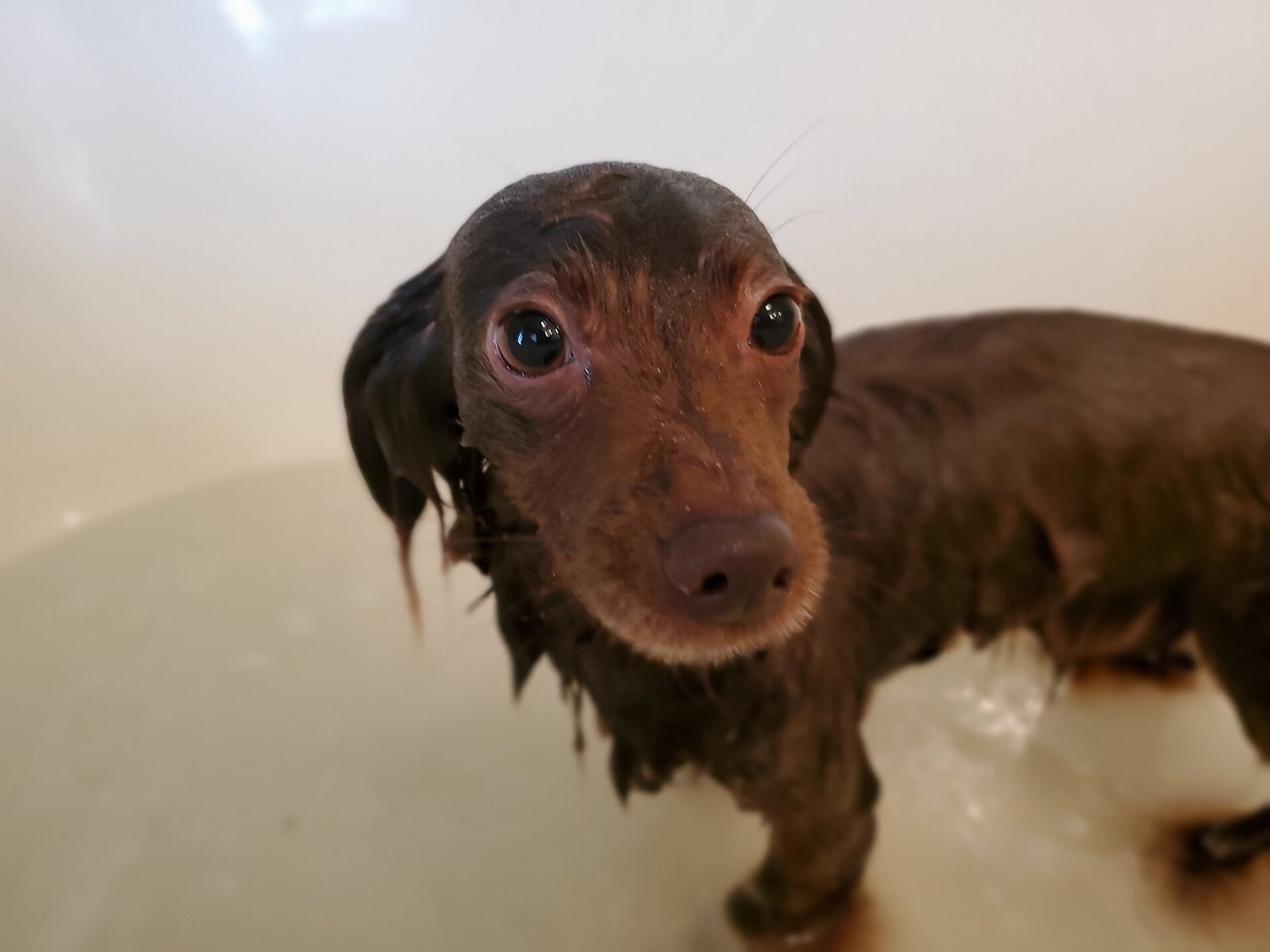
Seven common reasons senior dogs smell stronger
1. Skin oil, yeast, bacteria, or seborrhea
The skin normally carries microbes and produces oil. Allergies, hormonal disease, parasites, moisture trapped in folds, and seborrhea can change that balance. Look for greasy or flaky skin, redness, darkened areas, itching, hair loss, crusts, or an odor that returns quickly after bathing. Merck notes that seborrhea can be secondary to another health problem, so repeated "doggy" smell deserves more than repeated shampoo.
2. Ear infections
Warm, inflamed ears can smell yeasty, sour, or foul. Head shaking, scratching, pain, redness, discharge, or one ear smelling different from the other are clues. Do not pour household cleaners into the ear canal or use cotton swabs deep inside it. A veterinarian needs to see the eardrum and identify whether yeast, bacteria, mites, allergy, or another problem is involved.
3. Dental disease
Bad breath is not just a social inconvenience. Plaque, gingivitis, infected teeth, oral masses, and trapped material can create strong odor and pain. Dropping food, chewing on one side, pawing at the mouth, bleeding, facial swelling, or refusing hard food are reasons to arrange an exam promptly.
4. Anal-sac trouble
Anal sacs hold strongly scented fluid. Impaction, inflammation, infection, or an abscess may cause fishy odor, scooting, licking, pain when sitting, swelling beside the anus, or drainage. Do not make routine squeezing a home hobby. Cornell notes that unnecessary expression can irritate the area; a veterinarian can determine whether there is disease and treat it safely.
5. Urine, incontinence, or genital discharge
Arthritis can make squatting difficult, and urinary disease or weakened continence can leave damp fur. Urine scald, frequent licking, wet bedding, straining, blood, increased thirst, or a sudden change in accidents needs veterinary attention. Gently rinse soiled fur, dry it completely, and change bedding while the cause is investigated.
6. Reduced self-grooming and mobility
Painful hips, knees, backs, or shoulders can stop a dog from reaching parts of the body. Long nails, mats, feces caught in coat, and skin folds that stay damp are common secondary problems. A non-slip bathing surface, raised drying station, short sessions, and professional grooming support can make care less stressful.
7. The bed may be the culprit
Sometimes the dog is only carrying yesterday's smell back from a foam bed, blanket, collar, harness, or favorite couch cushion. Clean the environment at the same time as the dog or the odor can boomerang.
A practical senior-dog odor routine
Locate the source before bathing
Smell-check the mouth, outside of each ear, paws, skin folds, rear end, collar, and bedding. Note redness, moisture, discharge, sores, pain, or an odor concentrated in one area.
Brush and inspect
Remove loose coat and mats gently. Part the fur in several places to look at the skin. Stop if brushing hurts or reveals raw skin.
Use a dog-formulated shampoo
Use lukewarm water and a non-slip mat. Keep water out of ears and follow the label's contact time. Medicated shampoos should match a veterinarian's diagnosis, not a guess.
Rinse and dry completely
Leftover shampoo and damp undercoat can worsen irritation and odor. Pat rather than rub fragile skin, and keep the dog warm.
Clean only the outer ear you can see
If your veterinarian has recommended an ear cleaner, follow those directions. Pain, discharge, or strong odor means exam first.
Keep a simple odor log
Record when the odor appears, where it is strongest, bathing dates, itching, appetite, accidents, medications, and diet changes. Patterns help the veterinary visit.
A sudden odor can be an early clue. Avoid human perfume, deodorant, bleach, vinegar on skin, baking soda rubbed into the coat, or essential oils. "Lemon meadow senior dog" is not a diagnosis.
Clean the environment without starting a chemistry experiment
Wash removable bedding according to its care label with fragrance-free detergent, dry it fully, and vacuum hair from the bed frame and nearby floor. For urine or vomit on washable colorfast surfaces, blot first and use one compatible cleaner exactly as labeled. Never combine cleaning products.
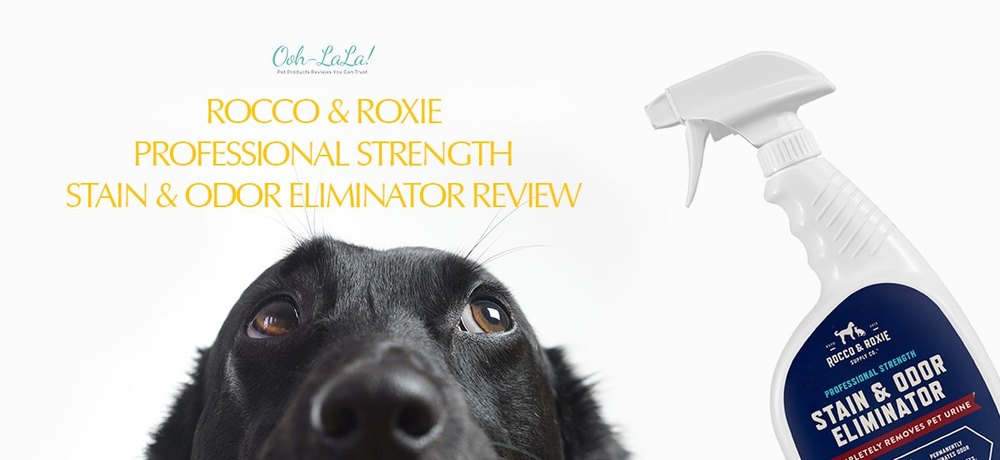
Rocco & Roxie Stain & Strong Odor Eliminator
An enzyme-cleaner option for compatible carpet, upholstery, and other accident areas after solids and excess liquid are removed.
Best for: Recurring organic pet-mess odor on label-approved surfaces.
Watch for: Spot-test first, use the required dwell time, keep pets away until directed, and never apply it to the dog.
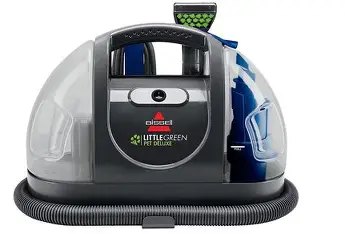
BISSELL Little Green Pet Deluxe Portable Carpet Cleaner
A portable extraction machine can help remove rinsed soil from compatible rugs, upholstery, and pet-bed covers when the fabric care label allows wet cleaning.
Best for: Larger soft-surface messes that need liquid extraction.
Watch for: Check fabric codes, avoid over-wetting foam, use only compatible solution, and clean the machine after use.
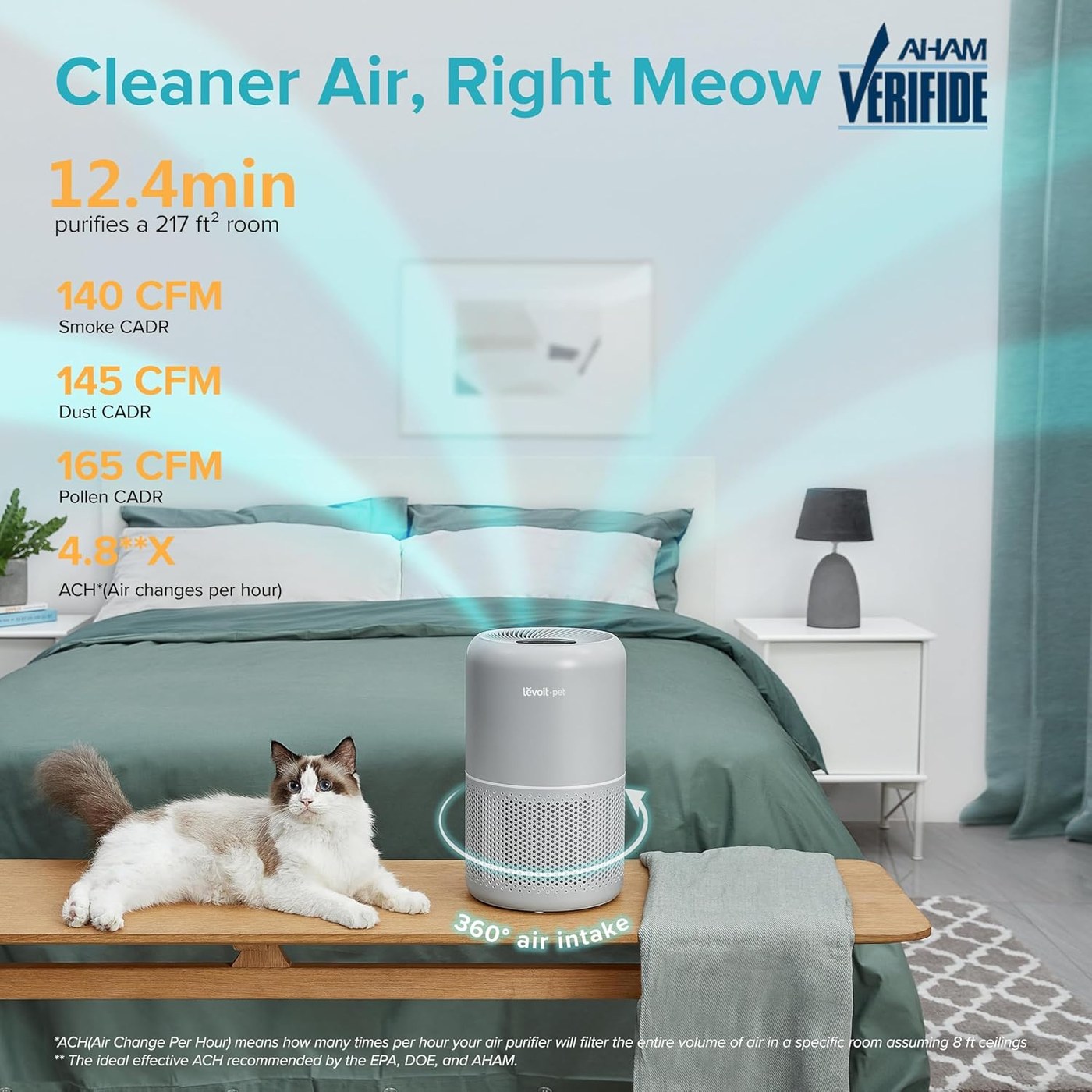
LEVOIT Core P350 Pet Air Purifier
An appropriately sized purifier can reduce airborne hair and particles after the dog, bedding, and odor source are addressed. It cannot remove urine from a cushion or treat an ear infection.
Best for: A senior dog's sleeping room after source cleaning.
Watch for: Match room size, replace filters on schedule, and do not treat it as an odor-source substitute.
When a smell needs a veterinarian
Book an appointment for a new or worsening odor, odor that returns soon after bathing, painful skin or ears, discharge, sores, intense itching, hair loss, bad breath with eating changes, scooting, wet bedding, increased thirst or urination, weight loss, vomiting, lethargy, or behavior change. Seek urgent care for trouble breathing, collapse, severe pain, inability to urinate, a rapidly swelling face, or a ruptured/bleeding area.
AAHA's senior-care guidance emphasizes that vague changes such as altered grooming, mobility, appetite, sleep, or elimination can matter in an older pet. Bring your odor log and photos of intermittent skin changes.
Frequently asked questions
Does changing food fix old-dog smell?
Not reliably. Diet can affect skin and stool, but odor has many causes. A sudden diet switch can add digestive trouble. Ask your veterinarian to assess symptoms and the current diet before changing it.
Can cornstarch or baking soda deodorize the coat?
Powders can be inhaled, licked, clump in damp fur, and hide skin disease. Use grooming products formulated for dogs and recommended for your dog's skin instead.
Why does the smell return one day after a bath?
Fast return suggests the source was not removed or treated: ear disease, skin infection, dental disease, anal sacs, urine-soiled bedding, or moisture trapped under the coat are common possibilities.
Sources and further reading
We use veterinary, public-health, animal-welfare, and official record sources whenever possible. Sources were checked July 26, 2026.
Quick answers
Is an old-dog smell normal?
A mild change can happen as grooming, skin oil production, mobility, and continence change with age. A sudden, strong, sweet, rotten, fishy, or one-sided odor is not something to dismiss as normal aging.
How often should I bathe a senior dog?
There is no universal schedule. Bathe when the coat is dirty or your veterinarian recommends it, using a dog-formulated shampoo and drying thoroughly. Over-bathing can worsen dry or irritated skin.
Can I use perfume or essential oils on my dog?
Skip fragrance sprays and essential oils unless your veterinarian specifically approves a product. They can irritate skin, be toxic if licked, and hide an odor that is helping identify a medical problem.
Why does my old dog smell fishy?
A fishy smell commonly points owners toward anal-sac fluid, though skin, mouth, or urinary problems can smell unusual too. Scooting, licking under the tail, swelling, pain, or drainage calls for a veterinary exam.