Doctors call it cat-scratch disease. It is most often caused by Bartonella henselae, a bacterium cats can carry. Most cat scratches do not lead to disease, but a scratch, bite, or lick to broken skin can transmit bacteria under the right conditions.
The name sounds like a 1970s tour poster. The reality is less glamorous: a small bump at the wound, tender lymph nodes, and sometimes fever or fatigue. Most otherwise healthy people recover, but complications can occur, particularly in people with weakened immune systems.
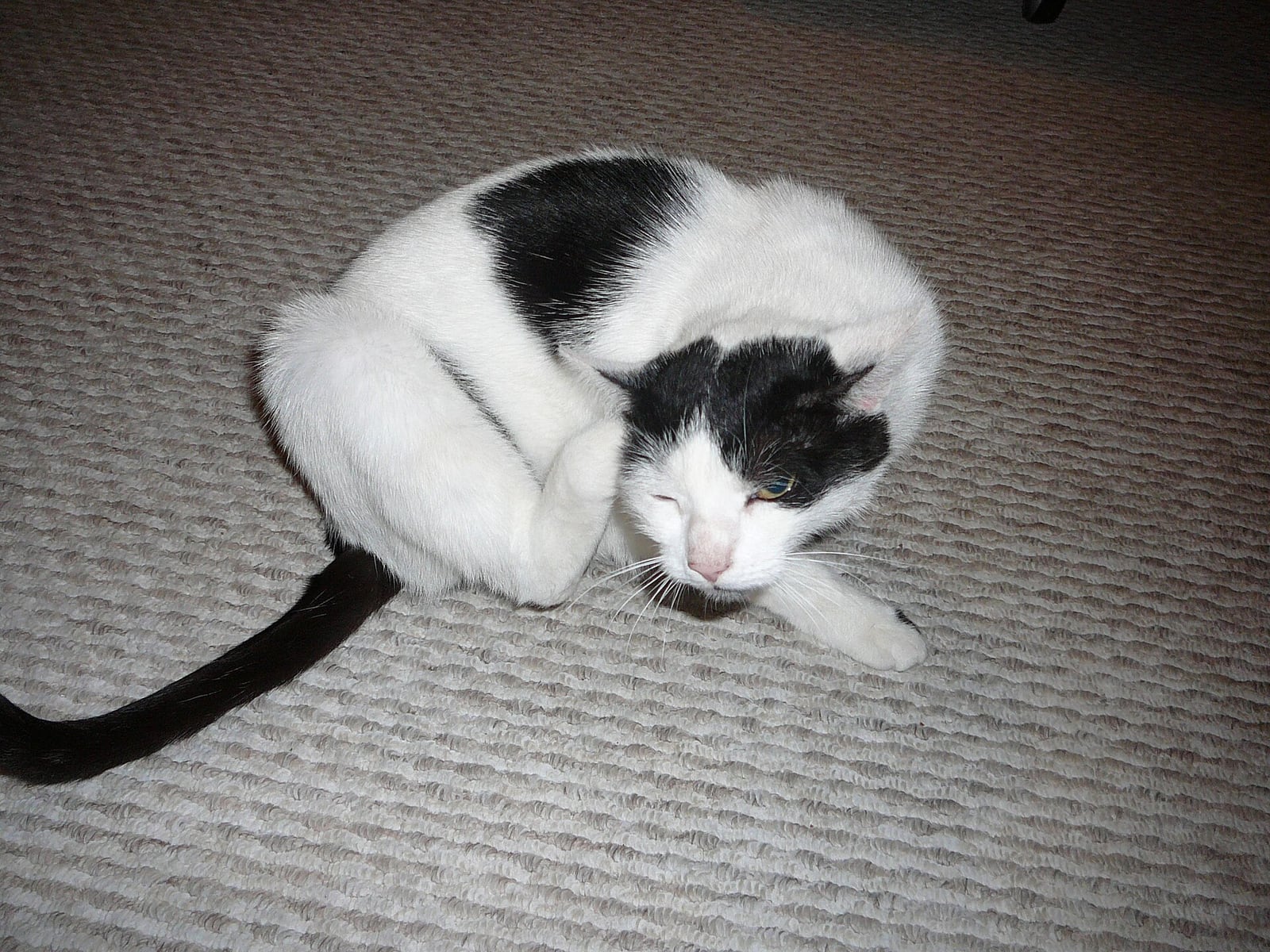
How cat-scratch disease spreads
According to the CDC, cats can acquire B. henselae through flea bites and contact with infected flea dirt. A cat may then contaminate its claws while grooming or scratching. People may be exposed when:
- a contaminated claw breaks the skin;
- a cat bites deeply enough to break the skin;
- a cat licks an open wound, scab, or the eyes, nose, or mouth;
- flea dirt reaches broken skin.
Kittens and cats with flea exposure are more likely to be associated with infection. Cats often look healthy while carrying the bacteria, which is another reason prevention focuses on flea control and wound hygiene rather than trying to identify a suspicious-looking cat. There is no reliable villain moustache.
What symptoms should you watch for?
A small raised spot or blister can appear at the scratch or bite. One to three weeks later, lymph nodes near that area may become swollen, tender, or painful. Other symptoms can include low-grade fever, fatigue, headache, and reduced appetite.
the wound is deep, on the hand/face/near a joint, increasingly red or painful, draining pus, or accompanied by fever; lymph nodes swell after cat contact; you have a weakened immune system; or the cat is unknown and rabies or tetanus status may matter. Eye pain or redness, confusion, severe headache, trouble breathing, or neurologic symptoms need urgent evaluation.
Cat bites deserve special respect because narrow teeth can push bacteria deeply into tissue. A healthcare professional can assess the wound, tetanus protection, and whether antibiotics or rabies guidance is needed. This page cannot diagnose a rash, node, or fever.
What to do immediately after a scratch or bite
Wash it now
Use soap and running water. Remove visible dirt gently and avoid aggressive scrubbing that further damages tissue.
Control bleeding
Use clean gauze and gentle pressure. Seek care if bleeding does not stop, the wound gapes, or movement/sensation is affected.
Cover and monitor
Use a clean dressing as appropriate. Watch for expanding redness, warmth, swelling, pus, red streaking, fever, or swollen lymph nodes.
Call when risk is higher
Contact a healthcare professional for deep bites, high-risk locations, unknown animals, or immune compromise. Do not wait for the internet to achieve a medical degree.
How to lower the risk without becoming afraid of your cat
- Use veterinarian-recommended flea prevention. Flea control is central because fleas help maintain and spread Bartonella among cats.
- Skip rough hand play. Use wand toys instead of fingers, especially with kittens.
- Trim nails safely. Ask a veterinary team or groomer for help if your cat resists.
- Do not let cats lick wounds. This is a boundary even the most persuasive cat cannot negotiate.
- Wash scratches promptly. Keep soap near the sink and make it automatic.
- Do not declaw for disease prevention. The CDC does not recommend declawing as a preventive measure.
- Talk to a veterinarian about new or ill cats if someone in the home has a weakened immune system.
Frequently asked questions
Can I catch it from petting a cat?
Ordinary petting is not the typical route. Transmission generally requires bacteria to reach broken skin or a mucous membrane. Wash hands after handling cats and avoid touching your face if flea dirt is present.
Can a dog transmit cat-scratch disease?
Other animals can be involved in Bartonella infections, but cat-scratch disease is classically associated with cats. A clinician should evaluate symptoms and exposure history rather than relying on the disease name.
Should my cat be tested?
Routine testing of healthy cats is generally not a simple answer because results can be hard to interpret. Ask your veterinarian, especially if a household member is immunocompromised or the cat is ill.
Sources and further reading
We use veterinary, public-health, animal-welfare, and official record sources whenever possible. Sources were checked July 26, 2026.
Quick answers
Is cat scratch fever actually real?
Yes. The medical name is cat-scratch disease, most often caused by Bartonella henselae bacteria.
Does every cat scratch cause cat-scratch disease?
No. Most scratches do not. Risk is linked to infected cats, flea exposure, contaminated claws, and a break in the skin.
Can an indoor cat carry Bartonella?
Yes. Indoor status lowers some exposures but does not make infection impossible, especially if fleas enter the home.
Should I get rid of my cat after a scratch?
Usually no. Wash the wound and contact a healthcare professional if symptoms appear or if you are at higher risk. Routine flea prevention and gentler play are more useful than blaming the cat.