Ferrets can be good apartment pets for an owner who can legally keep them, tolerate a natural musky smell, provide several hours of supervised activity every day, ferret-proof a room, clean frequently, afford an exotic-pet veterinarian, and manage heat. They are a poor fit for someone seeking a quiet, low-maintenance pet that stays happily in a small cage.
Ferrets are compact. Their requirements are not. They sleep a lot, then wake up as if the apartment has issued a timed scavenger-hunt challenge. The best apartment owner enjoys active play, notices small environmental hazards, and accepts that a lost sock may now have a different landlord.
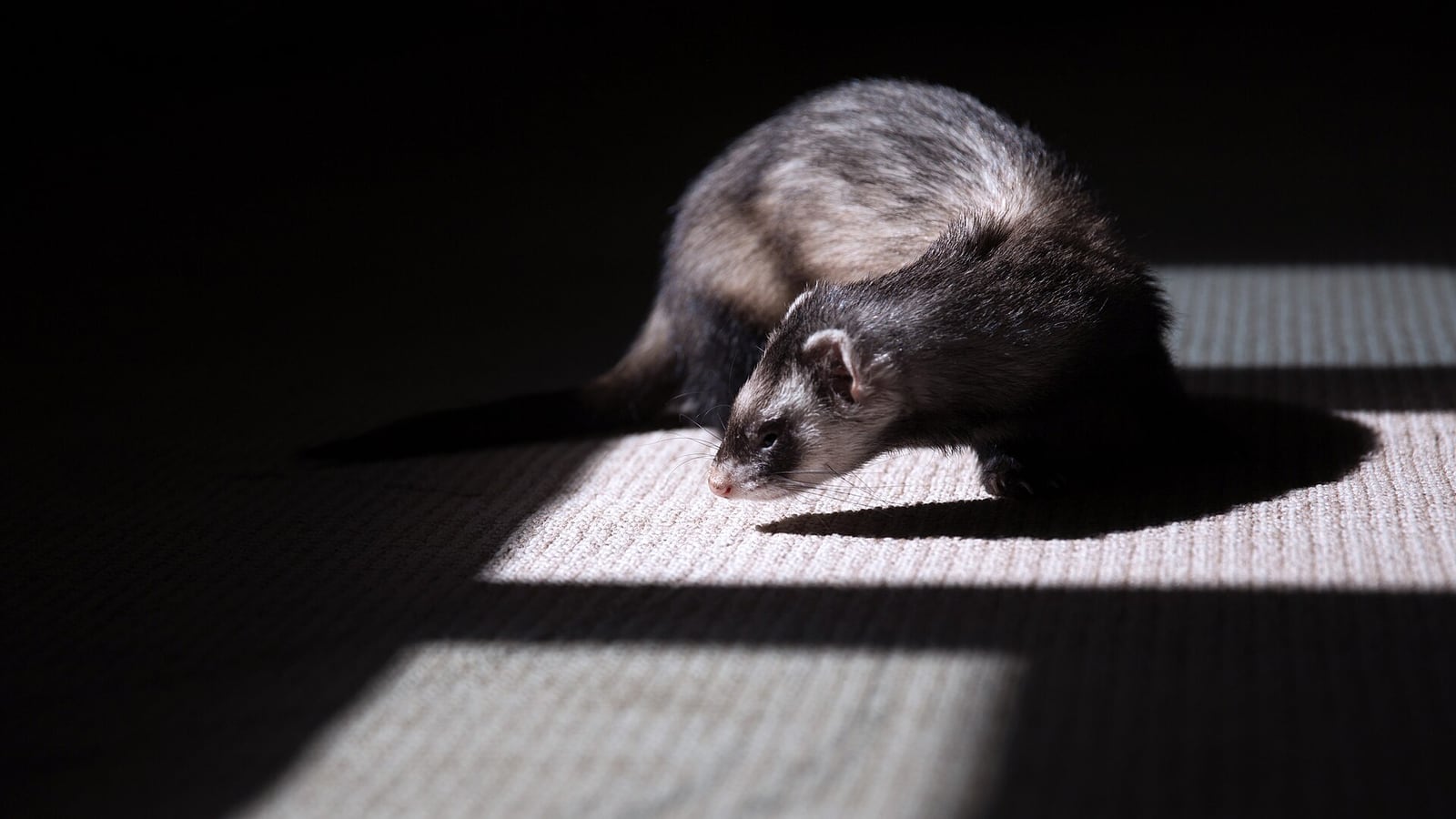
The apartment-fit scorecard
| Question | Good news | Reality check |
|---|---|---|
| Space | A ferret does not need a yard. | It needs a large secure enclosure plus a genuinely ferret-proofed exercise area. |
| Noise | Usually quieter than a barking dog. | Running, cage rattling, toy dragging, and dawn/evening play can reach downstairs neighbors. |
| Odor | Cleaning controls waste and bedding odor. | Natural musk remains; fragrance does not fix husbandry. |
| Litter habits | Many use boxes in preferred corners. | Accidents are normal, especially in large play areas. |
| Social life | Playful and interactive. | Needs daily human interaction and often compatible ferret companionship. |
| Climate | Indoor housing protects from weather. | Ferrets are heat-sensitive; cooling must be reliable. |
How to set up a ferret-friendly apartment
A secure multi-level home base
Use a well-ventilated enclosure large enough for sleeping areas, litter boxes, food, water, and movement. Avoid wire flooring that can injure feet. Provide washable hammocks and bedding, solid platforms, hideouts, and sturdy latches. Place the habitat away from direct sun, radiators, cooking fumes, and constant noise.
A true ferret-proof play zone
Get on the floor and inspect from ferret height. Block gaps under cabinets and appliances; protect electrical cords; remove foam, rubber, erasers, earplugs, and other swallowable objects; secure windows and screens; close toilets; and keep household chemicals locked away. Recliners, sofa beds, dryers, dishwashers, and rocking chairs can be deadly if a ferret crawls inside. Count every ferret before using an appliance or moving furniture.
Enrichment that can survive a ferret
Use tunnels, boxes, dig bins filled with safe large material, durable toys without detachable rubber, and rotating scent/exploration activities. Inspect toys frequently. A ferret can turn a "durable" toy into a gastrointestinal-surgery proposal faster than the packaging predicted.
Odor and litter management in a small home
- Scoop litter boxes at least daily. Place boxes in the corners the ferret already chooses. Use a dust-free, non-clumping paper-based litter; avoid clay clumping litter that can stick to the nose or be swallowed.
- Wash bedding weekly or as soiled. Keep replacement sets so the habitat never waits for laundry.
- Clean accidents promptly. Blot and use a surface-safe enzymatic cleaner. Never mix cleaners or use strong fragrance around the habitat.
- Ventilate safely. Use screened windows only if escape-proof, and consider a correctly sized purifier for particles. Avoid ozone generators.
- Do not over-bathe. Frequent bathing strips oils and may make odor seem stronger. Bathe only when actually dirty or under veterinary guidance.
- Ask about health changes. A new, foul, sweet, urinary, or ear odor is not normal musk.
Before adopting, ask an honest friend to smell the planned ferret room after a few days of normal use. Owners adapt to familiar scent. Your lease office and hallway have not made the same emotional journey.
Daily time, handling, and companionship
Merck and welfare organizations emphasize daily exercise outside the enclosure. Plan for roughly two to four hours of supervised activity, split into sessions that match the animals' waking periods. Individual needs vary. Add feeding, litter scooping, laundry, training, toy inspection, and healthcare observation.
Ferrets are social and may benefit from compatible ferret companionship, but introductions need supervision and each animal still needs individual health monitoring. A solo ferret needs substantial interaction. They can nip during play, especially when young; use reward-based handling and redirect to toys rather than hitting or scruffing as punishment.
Ferrets tolerate heat poorly. Merck describes a comfortable environmental range around 65-75 F (18-24 C). A top-floor apartment, failed air conditioner, sunny window, or summer outage needs a real emergency plan. Panting, weakness, drooling, collapse, or extreme body warmth is an emergency.
Cost, legal, and veterinary checks before adopting
- Call an exotic-pet veterinarian. Confirm routine and emergency ferret care, travel distance, hours, and likely exam costs.
- Read the lease and building rules. Get written permission; do not rely on a verbal "small pets are probably fine."
- Check city, county, and state law. Some places prohibit or regulate ferrets.
- Price the full setup. Large enclosure, carriers, litter boxes, bedding, food, vaccines where recommended, parasite prevention, enrichment, cleaning, and emergency care exceed the purchase/adoption fee.
- Plan for travel. Many general boarding facilities do not accept ferrets.
- Understand their lifespan. This is a multi-year commitment, not a semester accessory.
Frequently asked questions
Can ferrets free-roam an apartment?
Unsupervised whole-apartment roaming is high risk. A thoroughly ferret-proofed room or pen-based zone during supervised periods is safer. Enclosures still need to be spacious and enriching.
Can ferrets live with cats or dogs?
Interactions are unpredictable and prey drive matters. Never assume friendship from size or a cute first sniff. Use barriers, expert guidance, and constant supervision; small pets, birds, reptiles, and rodents should remain securely separated.
What do ferrets eat?
Ferrets are obligate carnivores and need a nutritionally complete ferret diet with high-quality animal protein and fat. They should not be fed a fruit-and-vegetable snack buffet.
Sources and further reading
We use veterinary, public-health, animal-welfare, and official record sources whenever possible. Sources were checked July 26, 2026.
Quick answers
Do ferrets smell bad in an apartment?
Ferrets have a natural musky odor. Clean bedding, litter boxes, and habitat ventilation help; over-bathing can dry the skin and increase oil production. Neutering status and health also matter.
Can a ferret stay in a cage all day?
No. Welfare guidance calls for daily exercise and exploration outside the enclosure in a thoroughly ferret-proofed area. The enclosure is a secure home base, not the entire life.
Are ferrets easy to litter train?
Many learn preferred corners and can improve with several low-entry boxes and rewards, but they are not usually as reliable as cats. Expect some misses.
Are ferrets legal everywhere?
No. Laws vary by country, state, city, lease, and building. Check all of them before acquiring a ferret, and confirm that a nearby veterinarian treats ferrets.